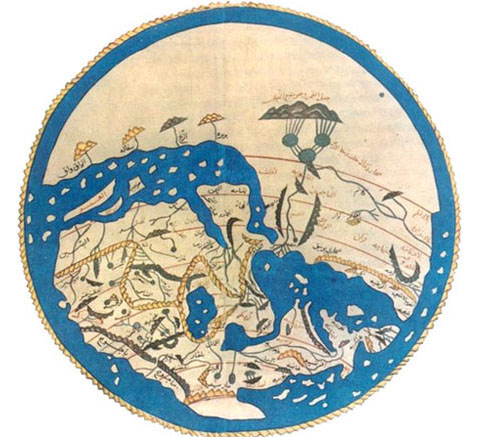
“Introduction to the Archivo General de Indias: A Global Archive”
Mediterranean Studies Summer Skills Seminar
15—18 June 2026 • Remote
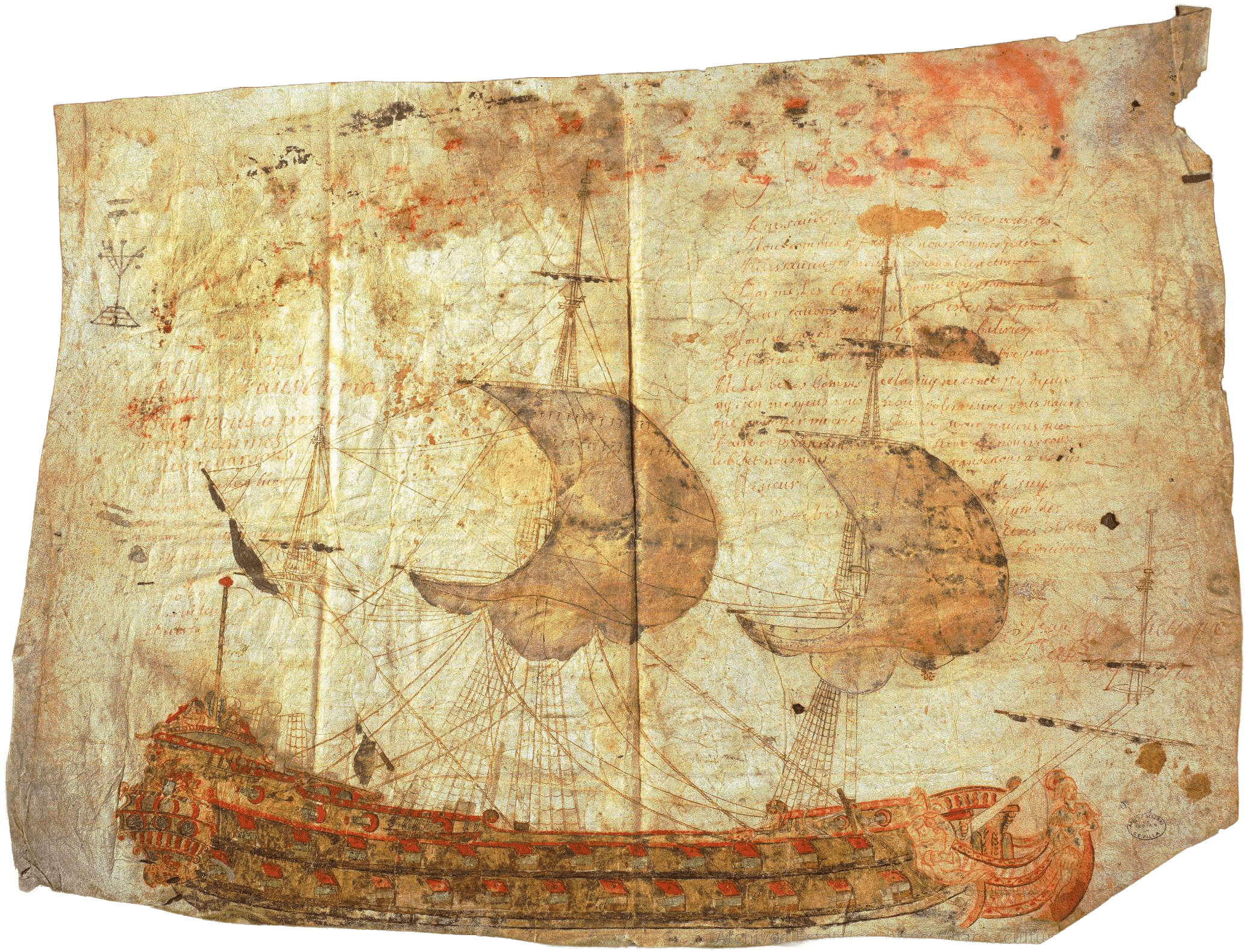
The Summer Skills Seminar, “Introduction to the Archivo General de Indias: A Global Archive” will be held remotely from Monday, 15 June to Thursday, 18 June 2026 from 10am to noon and 1pm to 3pm MDT.
Course overview
The course combines short lectures with direct engagement with primary sources, introducing students to archival research practices, catalog systems, basic paleographic skills and the main vocabulary and key concepts present in the documents. Attention is also given to interpreting documents within their historical and institutional contexts, as well as to critical questions about archives as instruments of imperial power and historical memory. Therefore, Students will explore the historical origins, organization, and functions of the archive, as well as its role in shaping modern understandings of empire, colonial administration, commerce, migration, religion, science, and everyday life in the Indies.
Participants said:
“As someone who has done almost none archival work, I found it very helpful, especially in gaining the basics of paleography. Having an expert available able to quickly tell me if the inferences I was making were correct or wrong was very helpful in gaining an early footing.“
“The course was structured in a way that helped understand the archive, but more importantly how and why a person might appear in the AIG. This helped contextualise movement of people across the empire, jurisdiction, and makes for more efficient and reasoned exploration of the archive. The decision to work through the archive this way, and to showcase its material through examples by which we could practice palaeography was excellent.”
“Jorge was warm and welcoming and I felt at ease learning something new in a language which is not native to me. He was also incredibly patient when working through palaeography especially as students began to tire nearer the end of the sessions. I also appreciated his gentle correction of my Spanish when needed. I am self-taught in the language and formally trained in French and Latin. For this reason, my speaking and listening skills are weaker, and occasionally French and Latin would slip into my translation. However, I never felt embarrassed by these mistakes and that is a testament to Jorge's tuition. “
“Jorge was very kind and supportive, and I feel much more equipped to begin this kind of work having learned from him.”
Faculty
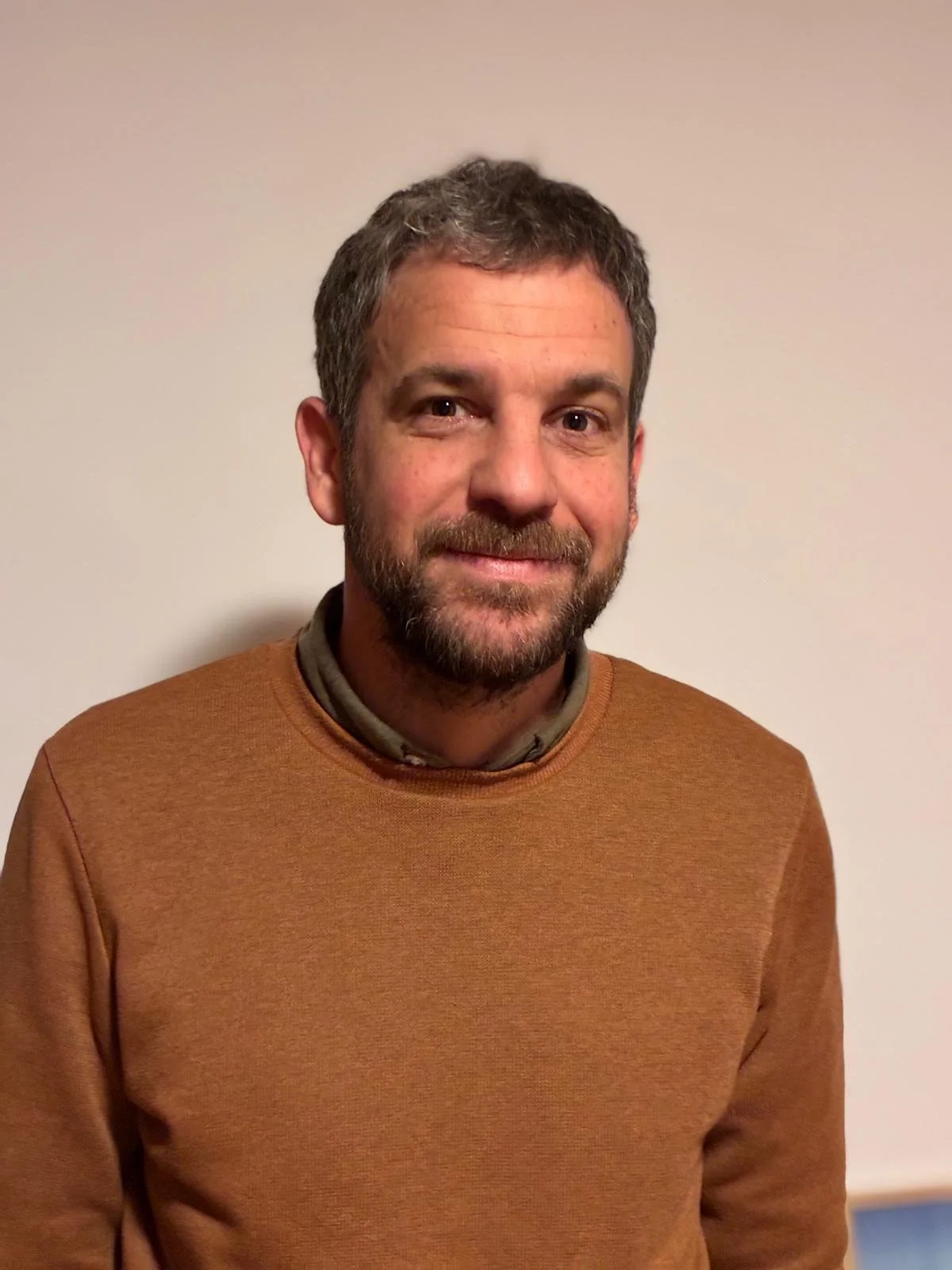
Jorge Díaz Ceballos is senior researcher at the Escuela de Estudios Hispano-Americanos, part of Spanish National Research Council (CSIC) Institute of History in Seville. He holds a PhD in history and humanistic studies from Pablo de Olavide University, Seville (2017) and a Master's degree in Latin American and Caribbean Studies from the New York University (2010). Before joining CSIC, Díaz Ceballos was a Max Weber Postdoctoral Fellow at the European University Institute (2019-2020), Ramón y Cajal researcher (2024) and Fulbright Commission fellow (2008-2010) at NYU. His research, widely based on primary sources mainly from Archivo General de Indias, focuses on the construction of the early modern Spanish Empire and the creation of the Atlantic as a coherent space for transmission, exchange and conflict of people, cultures and ideas to explore the cultural transaction between Europe and the Atlantic world, emphasizing practices over theories to understand political realities on the ground. His first monograph, Poder compartido. Repúblicas urbanas, Monarquía y Conversación en Castilla del Oro, 1508-1573 was published with Marcial Pons in 2020 and his work has been published in journals such as the Colonial Latin American Review (honorary mention for the Pease Prize in 2019), the Journal of Early American History or Anuario de Estudios Americanos. Díaz Ceballos’ current research project explores the role witnesses’ testimonies in criminal court cases retrieved from AGI to understand the inner logic of local colonial societies and the construction of a transatlantic legal culture over the early modern period.
Program
Monday, 15 June 2026
10am to noon and 1pm to 3pm
1. Introduction: what are the “Indies”? The Americas and beyond
2. Navigating PARES
Tuesday, 16 June 2026
10am to noon and 1pm to 3pm
1. How to read AGI documents? Key concepts, abreviations and names
2. What to study in AGI? From below and from above
Wednesday, 17 June 2026
10am to noon and 1pm to 3pm
1. Sections 1: Patronato Real, Gobierno, Contratación
2. Sections 2: Justicia, Contaduría, others
Thursday, 18 June 2026
10am to noon and 1pm to 3pm
1. Maps and Images: where to find them, how to use them
2. Other archives and libraries with Indies materials
Participants:
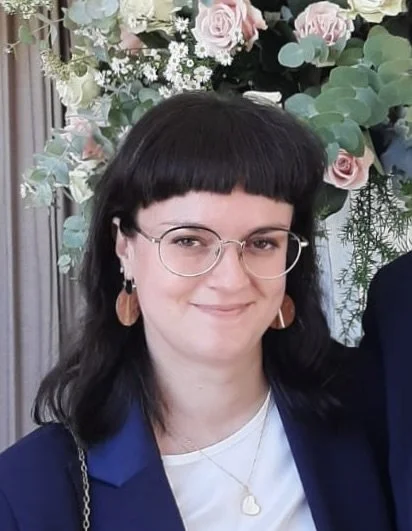
Simona D’Angeli (Humanities, Roma Tre University)
Simona D’Angeli is a PhD student in Early Modern History, 41st cycle of the History, Territory and Cultural Heritage course, at the Department of Humanities of Roma Tre University with the project "Slavery in Religious Spaces. Economic, Legal and Cultural Aspects of the Possession of Black Slaves by Religious Orders in the Viceroyalty of Peru in the 17th Century." She received a postgraduate research grant as part of the AKA project promoted by the Changes Foundation (July 2025 – December 2025). In June 2025, she attended the Summer School "The Central Archives of Counter-Reformation Religious Orders: Education, Apostolate, and Mission" at the Barnabite Historical Studies Center.
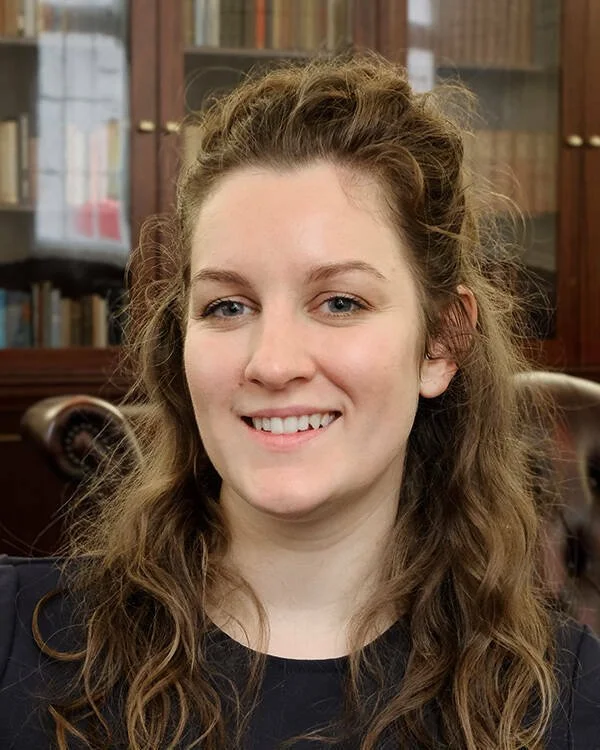
Helen Kilburn (History, University of Notre Dame (USA) in England)
Helen Kilburn is an Assistant Professor at the University of Notre Dame in London and an historian of the early modern Atlantic. Kilburn is focused on the impact of the European Reformations on the development of plantation societies, with a special interest in recusant English Catholicism in Maryland. Kilburn has previously published with British Catholic History and the Institute for Jesuit Sources. She is currently working on her first monograph provisionally entitled Catholics in an English Colony: Maryland in the Seventeenth-Centur Atlantic to be published with Boydell & Brewer.
ORCID profile: https://orcid.org/0000-0003-1290-398X
Publications
Kilburn, H. (2025). Counter-Reformation colonialism: The Knatchbull Catechism in seventeenth-century Maryland. In A. Corsi, C. Ferlan, & F. Malta Romeiras (Eds.), Circa missiones: Jesuit understandings of mission through the centuries (Proceedings of the symposium held at Lisbon, Portugal, June 12–14, 2023) [Special issue]. International Symposia on Jesuit Studies, 3(1), 1–25. https://doi.org/10.51238/ISJS.2023.18
Kilburn, Helen. “Jesuit and Gentleman Planter: Ingle’s Rebellion and the Litigation of Thomas Copley S.J.” British Catholic History 34, no. 3 (2019): 374–95. https://doi.org/10.1017/bch.2019.2.
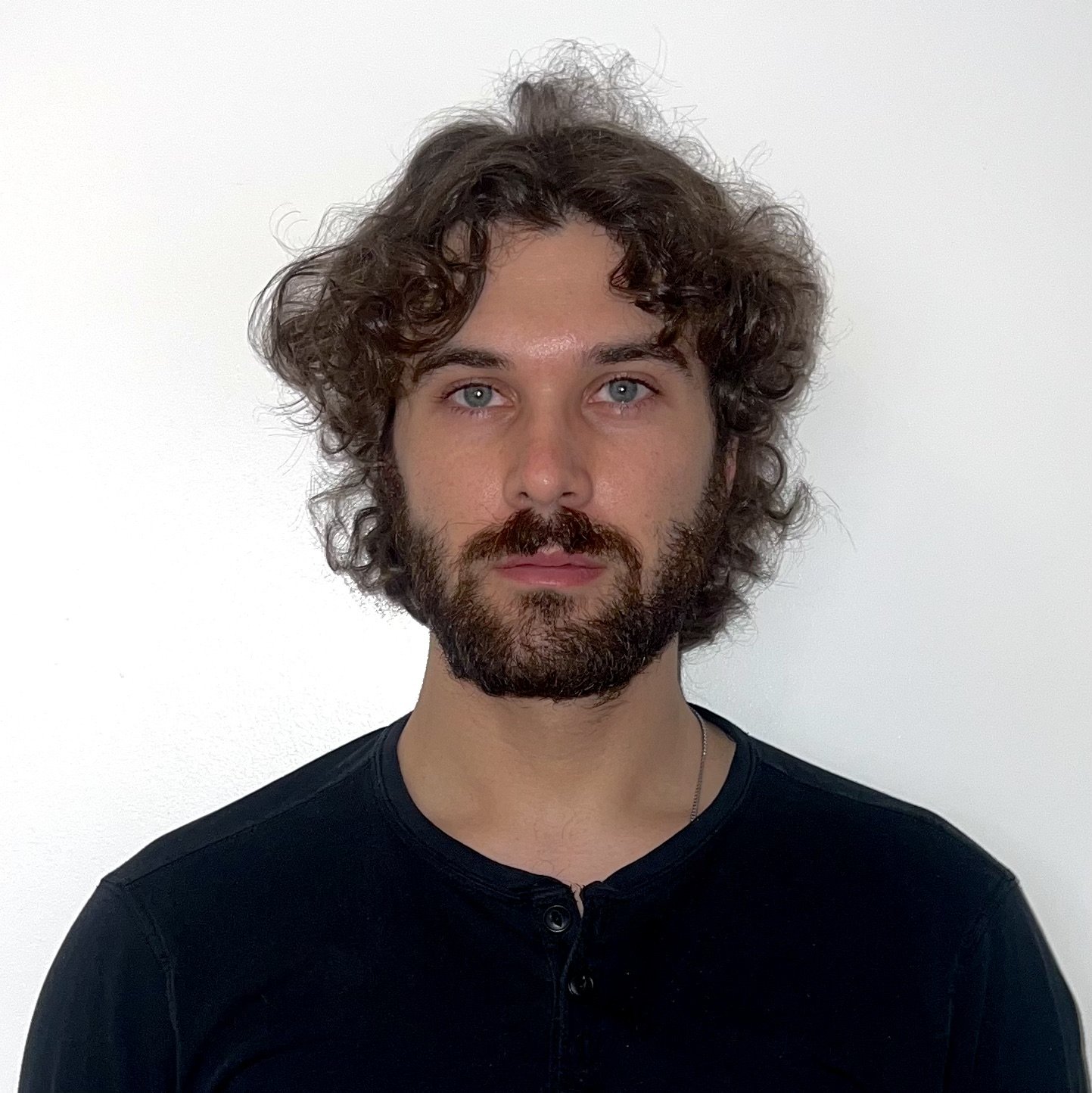
Byron Otis (History of Art and Architecture, Harvard University)
Byron is a PhD candidate in the history of art and architecture at Harvard University. His dissertation examines the metaphorical uses to which America was put in sixteenth and seventeenth-century Europe. Before coming to Harvard, he graduated from Washington University in St. Louis and received an MA from Williams College.
Charles Payne (History, University of Minnesota)
My name is Charles Payne and I am an undergraduate student studying at the University of Minnesota. My research interests include the early modern Atlantic world, movements of Indigenous peoples, and the Spanish empire. I am currently working on my undergraduate thesis utilizing documents from the AGNA (Argentina) and the AGI, investigating the role that the movement of Spanish and Indigenous women played in the colonization of the Rio de la Plata region.
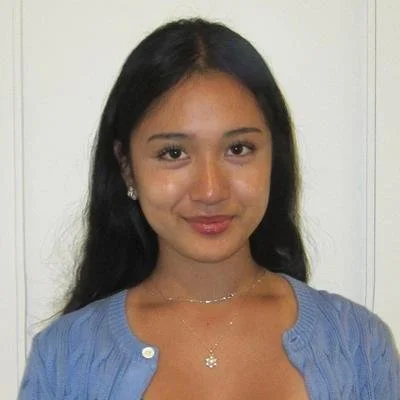
Mira Phan (Phillips Academy)
My name is Mira Phan and I am a rising senior at Phillips Academy. My research focuses on the Taíno people of Hispaniola and their strategies of resistance against Spanish colonialism between 1492 and 1550. Rather than accepting the prevailing narrative of Taíno erasure, I am interested in recovering evidence of Indigenous agency through flight, cultural preservation, and hidden resistance in ways that colonial records only partially capture. The primary sources that documented the early Spanish Empire from the inside are central to this work: among them the writings of Bartolomé de las Casas, the Laws of Burgos, and Ramón Pané's accounts of Taíno belief and culture, as well as the broader administrative records of colonial governance in early Hispaniola. Developing the paleographic skills and archival literacy to navigate the AGI's collections through PARES and engage with these documents in their original form, rather than through secondary interpretations alone, is what draws me to this seminar.