“Reading Ottoman Turkish”
Mediterranean Studies Summer Skills Seminar
15—18 June 2026 • Remote

The Summer Skills Seminar, “Reading Ottoman Turkish” will be held via Zoom from Monday, 15 June to Thursday, 18 June 2026 from 10am to noon and 1pm to 3pm MDT.
Course overview
For almost six hundred years, the Ottomans ruled most of the Balkans and the Middle East. From their bases in Anatolia, Ottoman armies advanced into the Balkans, Syria, Egypt, and Iraq, constantly challenging the borders of neighboring European and Islamicate empires. By the end of the seventeenth century, Constantinople, Jerusalem, Cairo, Baghdad, Sarejevo, Budapest, and nearly Vienna came under Ottoman rule. As the empire expanded into Europe and the Middle East, a central part of Ottoman life was connected to the emergence, consolidation, transformation, and use of the Turkish language. This course offers an introduction to Ottoman Turkish, providing an introductory level course to the language and a brief overview of Ottoman paleography. By the end of the course, the student will be able to read basic texts in print, recognize different paleographic styles and types of documents, as well as understand how and what dictionary to use for different types of texts. The course is perfect for students with knowledge of Turkish and/or Persian and Arabic, with an interest but no prior knowledge of Ottoman Turkish.
The course is divided into four sections (two two-hour sessions). The first section will focus on learning the alphabet and recognizing basic vocabulary. The second section will focus on examples of changes between Ottoman and modern Turkish. The third section will focus on the different paleographic styles and the most common types of documents historians might encounter. The last section will provide a short history of the Ottoman language with examples.
The goal of this course is to introduce participants to printed and handwritten Ottoman texts in their research and teaching and provide them with a bona fide certificate (in the form of a certificate of completion for those who attend the whole seminar), which may be advantageous in securing funding for research and travel. This course is designed as an introduction that will allow students to continue their training either independently or through intensive courses that require some knowledge of Ottoman.
Past participants said:
Of course, I didn't expect to learn how to read quickly from such a short course alone, but many of the tips I received will help me with my self-directed study of Ottoman Turkish, based on my research needs. Oskar was a very attentive and helpful teacher, and the exercises we did together were highly useful….
I do feel considerably more motivated and confident about approaching Ottoman archival materials. I have both a clearer understanding of how to decipher certain handwritings and expressions, and the tools to keep working on improving my Ottoman on my own
I was impressed by the value of such a short intensive course. The structure of the course was clear, the pace was ideal and the content was challenging in the best possible way.
I fully appreciated Prof. Aguirre Mandujano's patience, teaching style and reading method, as well as his choice of stimulating and amusing texts….
Professor Aguirre-Mandujano's deep knowledge and flexible approach allowed him to choose texts and focus on strategies that we -- the 5 students enrolled in the course -- needed to advance our research agendas.
I sincerely admire the Medieval Seminar as a scientific space for exchange and training, and I would definitely recommend Prof. Aguirre Mandujano as a teacher.
Faculty
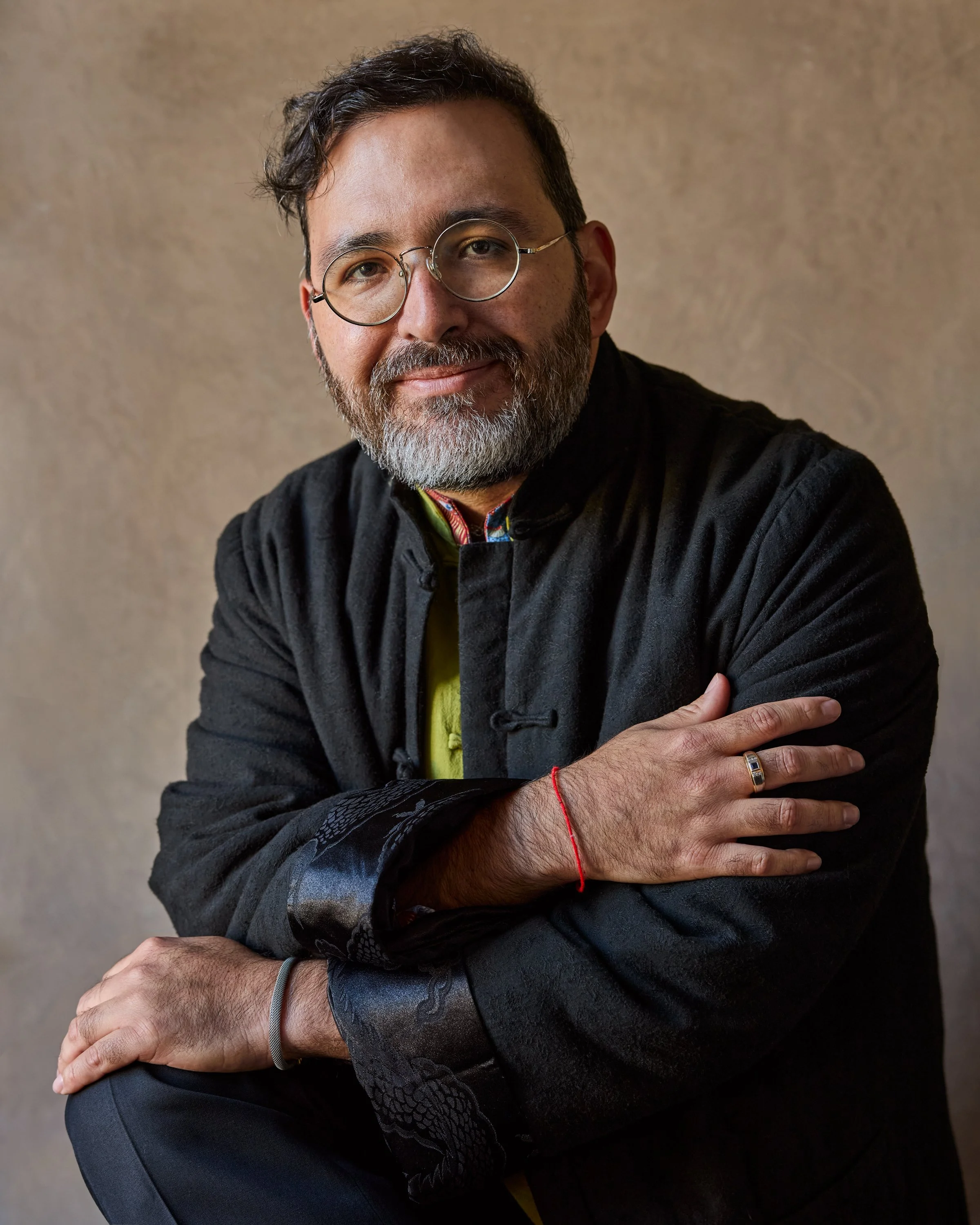
Prof. Oscar Aguirre Mandujano (University of Pennsylvania, Department of History) is a historian of the early modern Ottoman world. His research focuses on intellectual and cultural history and its connections to literature, poetry, and bureaucracy. His current book project, A Sea of Gossip: Truth and Imagination in the Early Modern Mediterranean, is a history of various forms of informal exchange of information that today we refer to as gossip, anecdote, or rumor, as they shaped and transformed the early modern Mediterranean. His first monograph, Occasions for Poetry: Politics, Literature and Imagination Among the Early Modern Ottomans (Philadelphia: The University of Pennsylvania Press, 2025), is a history of how Turkish poetry became the preferred mode for communicating, debating, and shaping the Ottoman political and social experience after the conquest of Constantinople in 1453.
Program
Monday, 15 June 2026
10am to noon and 1pm to 3pm
1. Introductions. Basics & Alphabet, Reading Mechanics.
Welcome. Course overview.. Basic terminology. Learning to Read among the Ottomans.. Practice didactic Ottoman printed texts..
2. Dictionaries, Encyclopedias, and Change over Time.
Focus on available dictionaries and reference works (both Ottoman and contemporary). Reading dictionaries as primary sources. Discussions of semantic change and how to avoid anachronisms.
Tuesday, 16 June 2026
10am to noon and 1pm to 3pm
3. XIX century.
Overview of xix century Ottoman handwriting. Sample texts. Standardization and paleographic skills.
4. Easy Scripts: xv-xix
Focus on clearer scripts. Common pitfalls and questions. Sample texts.
Wednesday, 17 June 2026
10am to noon and 1pm to 3pm
5. Practice Reading XIX century
Review of homework, trouble shooting one’s own reading. In-class review of other common texts and issues.
6. Practice reading easy scripts
Review of homework, common issues and mistakes. In-class review of similar texts.s.
Thursday, 18 June 2026
10am to noon and 1pm to 3pm
7. Focus on other manuscript scripts
Practice reading common scripts in manuscripts, including marginalia, colophons, and notes of ownership.
8. Reading diplomacy and bureaucracy.
Overview of scripts used in diplomatic and bureaucratic documents. Sample readings.
Participants
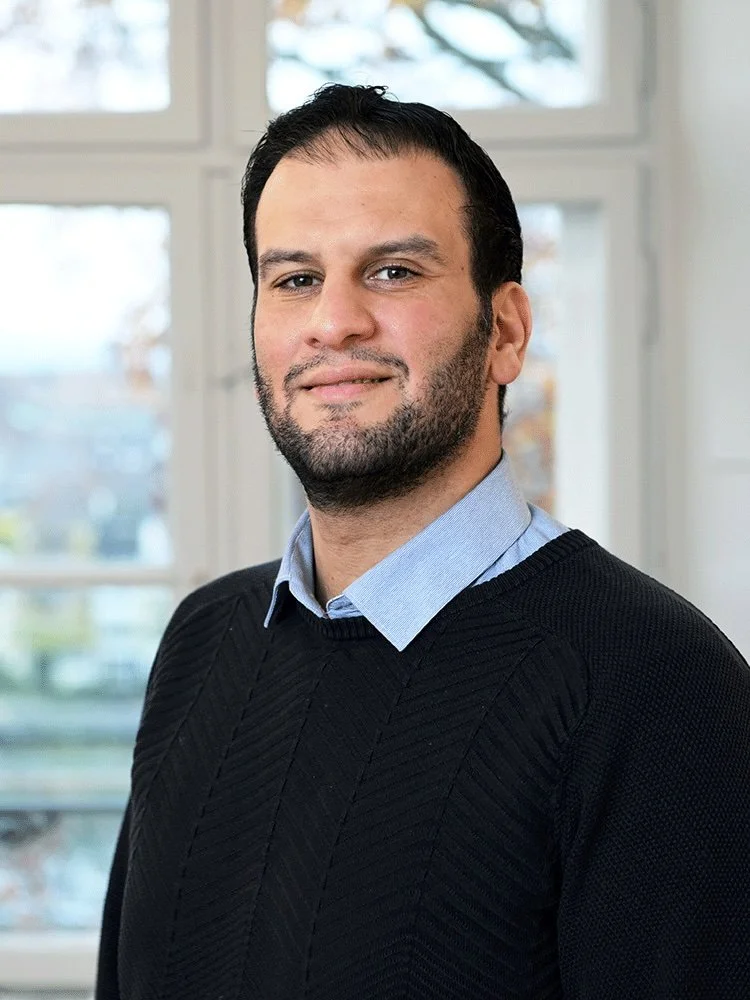
Abdel Qader Amer (Near & Middle Eastern Studies, University of Basel)
I am a PhD student in Near and Middle Eastern Studies at the University of Basel and a project assistant in the research project Futures Interrupted: Social Pluralism and Political Imaginaries in the Arab World, led by Prof. Dr. Falestin Naïli. My doctoral research, Representation and Belonging in Late Ottoman Iraq: Petitions as Sources for the Study of Political Society, examines how local actors in the Ottoman provinces of Baghdad, Basra, and Mosul articulated collective claims, negotiated with imperial authority, and expressed frameworks of belonging through petitionary practices. Drawing primarily on Ottoman petitions submitted to Istanbul, I explore the relationship between representation and belonging in late Ottoman Iraqi society and contribute to broader debates on the historical formation of the Iraqi state and the role of local agency in political transformation.
Before joining Basel, I was a research fellow in the project Historicity of Democracy in the Arab and Muslim World (HISDEMAB) at the Leibniz-Zentrum Moderner Orient (ZMO) in Berlin and was affiliated with the Institut français du Proche-Orient (IFPO) in Amman. Trained originally in political science, my research interests span late Ottoman history, Ottoman Iraq, state–society relations, political participation, and state formation in the modern Middle East. My publications include a co-edited volume on political participation in the Arab region in the early twentieth century, as well as research on governance, political representation, and state formation in modern Iraq.
Alongside my historical research, I have pursued training in modern Turkish and Ottoman Turkish through coursework, independent study, and specialized guidance. Given the centrality of Ottoman petitionary documents to my project, I hope to strengthen my ability to work with archival sources, deepen my methodological engagement with Ottoman materials, and further situate my research within broader discussions of Ottoman provincial societies and political culture.
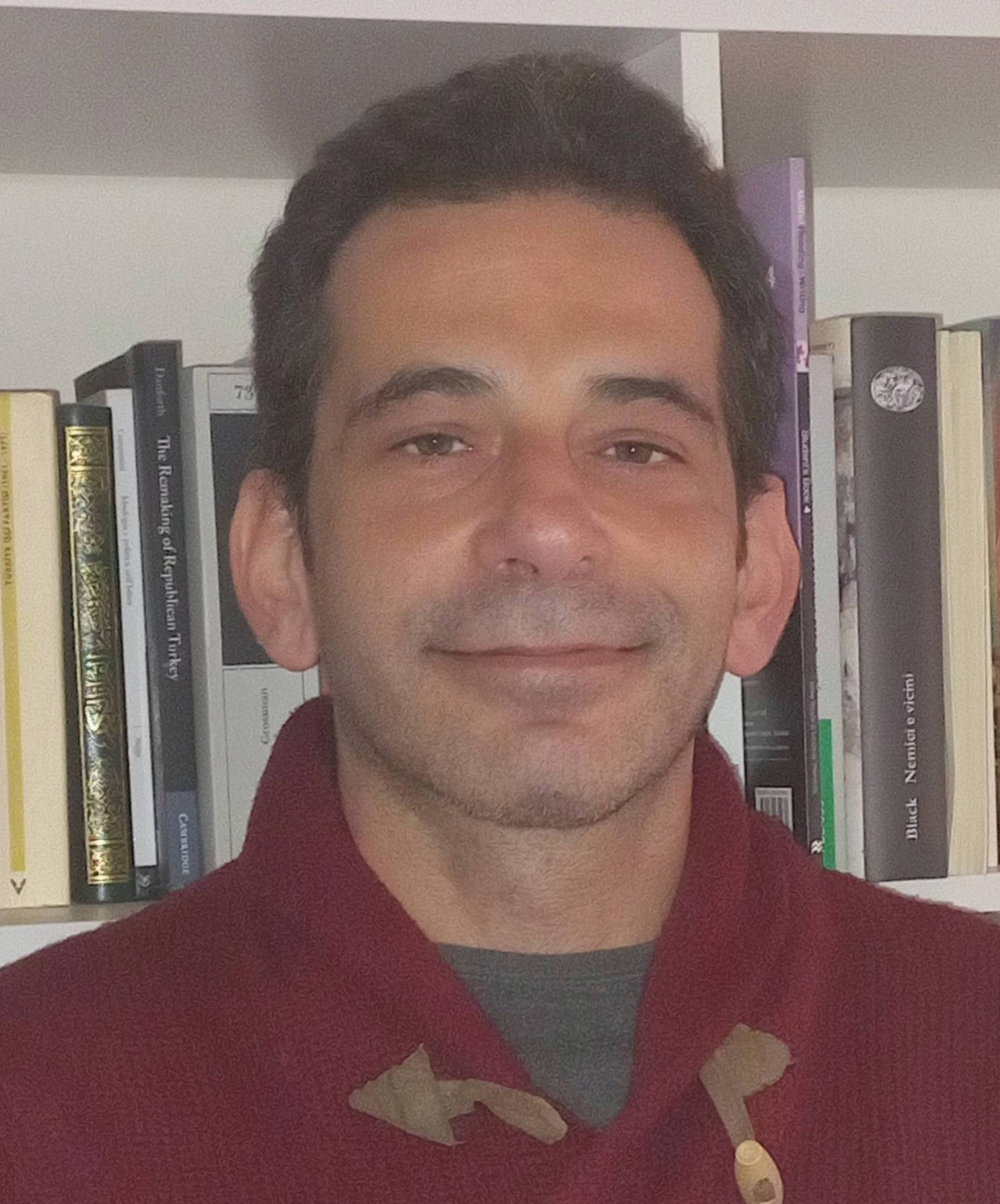
Fulvio Bertuccelli (History of the Islamic Countries, Sapienza University of Rome/ Bern University)
Fulvio Bertuccelli holds a PhD in "Turkey, Iran and Central Asia" from the University of Naples "L'Orientale" (2013). He has been Adjunct Lecturer of History of the Islamic Countries at University of Bologna and postdoc research fellow in History of Eastern Europe at Sapienza University of Rome (2021-2024). Currently he is 2024 MSCA Postdoctoral Fellow at Sapienza University of Rome, the University of Bern and the Hrant Dink Vakfi for the project IhaNeT- Identiy Nation and Treason in the Turkish Concept of Authority (2025-2028).
He is also a literary translator from Turkish into Italian.
Among his recent publications are (ed.), Toward a Cultural History of the Cold War in Turkey. Ideological dynamics, cultural production, media, Sapienza Università Editrice, Roma 2024; Il movimento socialista in Turchia (1960-1971). Ideologia e politica tra due colpi di Stato, Aracne, Roma 2023 and Minorities and Diasporas in Turkey. Public images and issues in education (co-edited with Mihaela Gavrila and Fabio L. Grassi), Sapienza Università Editrice, Roma 2023.
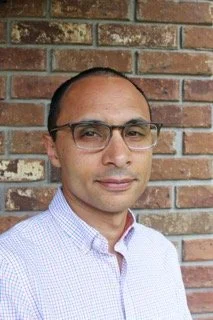
Omar Cheta (History, Syracuse University)
Omar Cheta is Assistant Professor of History at Syracuse University. His primary research interests are the histories of law and capitalism in nineteenth-century Egypt. His book, How Commerce Became Legal: Merchants and Market Governance in Nineteenth-Century Egypt, was published by Stanford University Press in 2025. Cheta’s academic publications have appeared in Past & Present, International Journal of Middle East Studies, History Compass and The Oxford Handbook of Modern Egyptian History.
Virigina Grossi (University of Fribourg)
I am a medieval archaeologist specialized in Buildings archaeology in the Western and Eastern Mediterranean regions. I was trained at the Scuola Normale Superiore, the University of Pisa (Italy), the Institut national d’histoire de l’art in Paris and Aix-Marseille Université (France), where I defended my PhD thesis in June 2025.
My scholarly interests include the architecture of late-Medieval Italy, with a focus on the spatial and urban changes brought by the Italian Communes, as well as the architecture and urban transformations in the SWANA region, focusing especially on Mamluk Jerusalem and Cairo. In each one of these instances, my research aims to explore the choice of materials, construction techniques, architectural forms and urban layout in order to reconstruct the builders’ and patrons’ agendas. Among my publications: “Il Palazzo del Podestà di Pisa (XIII-XIV secolo): architettura, edilizia e urbanistica del potere pubblico nel Comune medieval”, in Architettura medievale. Il Trecento: modelli, tecniche, materiali, pp. 405-414 (2022, open access), and “Les avatars de l’Ashrafiyya (Jérusalem, ca 1465-ca 1490). Anatomie d’un chantier royal sur le Masjid al-Aqṣā”, in Chantiers médiévaux, actes du 56e congrès de la SHMESP (Albi, 21-25 mai 2025), Paris, Éditions de la Sorbonne (co-authored with Julien Loiseau, 2026). I am currently revising my doctoral dissertation, titled Enclosing the Ḥaram, reaching the Mosque: Mamluk porticoes in Jerusalem's Sacred Esplanade (1261-1516), for publication.
I am now working as a postdoctoral researcher at the University of Fribourg (Switzerland) within the SNSF project Holy Networks. Locating, Shaping and Experiencing Palestinian Loca Sancta (1187- 1852), in which I analyze travelogues and pilgrims’ accounts written in Arabic.
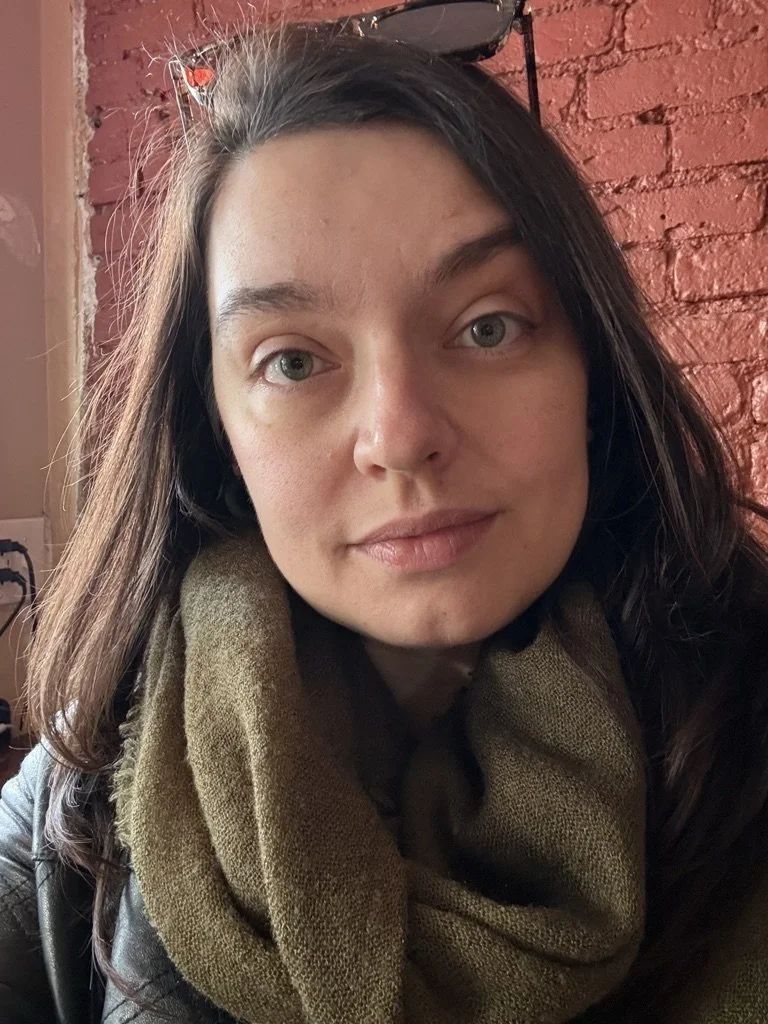
Kirsten Wesselhoeft (Religion, Vassar College)
Kirsten Wesselhoeft is Associate Professor and Chair of the Religion Department at Vassar College, where she also directs the Program in Migration & Displacement Studies. She is a scholar of modern and contemporary Islamic culture and thought, focusing on the Mediterranean region and trans-Atlantic connections. Her first book, Fraternal Critique: The Politics of Muslim Community in Contemporary France (Chicago 2025), is an ethnography and legal analysis of Muslim social organizing in 21st-century France.
Wesselhoeft’s current book project, A Thousand Months: A Modern Cultural History of Ramadan, is the first English-language book to approach the central Muslim practice of Ramadan from an historical and sociocultural perspective. Drawing on archival and ethnographic work in multiple Mediterranean and North Atlantic contexts, this book tells the story of how Ramadan has developed from the late Ottoman period through the present.
Wesselhoeft received her Ph.D. in the Study of Religion from Harvard University in 2017. She has received fellowships from national organizations such as the Social Science Research Foundation and the Fulbright Program. Her research has appeared in the Journal of the American Academy of Religion, Political Theology, Sociology of Islam, and other scholarly journals.