“Reading Archival Latin”
Mediterranean Studies Summer Skills Seminar
18—21 May 2026 • Remote
Course overview
The Archive of the Crown of Aragon (ACA) in Barcelona contains one of the largest and richest archival collections relating to medieval Europe, comprising hundreds of thousands of documents, most from the twelfth to fifteenth centuries, and including financial records, royal letters, administrative documents, trial records, treaties, and many other genres. The documentation can be used for a whole range of topics including social, economic, political, institutional, gender, diplomatic, cultural and religious history.
The territories of the Crown of Aragon included much of the Iberian Peninsula, parts of southern France, Sicily and southern Italy, parts of Tunisia and Greece, the Balearics, Sardinia and other Mediterranean islands. It had a large and diverse urban population, was highly integrated into Mediterranean and European trade systems, and had significant populations of Muslims and Jews. It developed one of the earliest and most robust chanceries of medieval Europe; the collections of which have weathered the vicissitudes of history all but intact. Much of the documentation has yet to be used by historians. The skills seminar focused on the Latin-language documentation (from the eleventh to the mid-fourteenth centuries) in the archive’s collections.
This four-day intensive skills seminar focuses on a hands-on introduction to reading unedited Latin documents from a variety of the archive’s fonds and provide participants with an overview of the collections of the ACA, including access to online resources and reproductions.
Topics include: manuscript abbreviations, dating systems, place and personal names, and research resources and techniques. As much as possible the content will be catered to participants’ interests and needs. Medievalists of all disciplines, graduate students, and qualified undergraduate students, as well as library and archival professionals were encouraged to apply.
The goal is to provide attendees with a solid preparation for conducting work remotely via the PARES web portal and on-site at the ACA. Participants will find the skills and techniques which the course focuses on useful not only at the Archive of the Crown but at other medieval archives across Spain and Europe.
This Summer Skills Seminar builds on the experience of earlier editions, which participants signaled as “transformative” in terms of their research, and which provided them with an opportunity to network and lay the foundations for future collaborations. For information and participant reviews of our former Skills Seminars.
Previous Participants said:
“Dr. Catlos is a very patient instructor who knows the ACA and Latin very well. He understands that the subject matter is difficult to grasp, and he is always willing to help out the class and take lots of time on difficult words.”
“I really have to recommend this especially for grad students, whether or not they are able to travel to state or municipal archives abroad. Both the paleography instruction and the discussions of archives are something I wish I had in grad school, myself, and are extremely translatable to different contexts (although they may not know it beforehand).”
“I'm really thankful to Prof. Catlos for delivering information in a concise yet comprehensive way. It was a good class and it helped me advance my paleographic skills.”
“I felt the course was both extremely engaging and challenging. Through the intensive four hour a day study, I feel like I gained a wonderful baseline to continue to build the skill of archival reading, as well as the resources and techniques to make the task less daunting as I pursue it further.”
“Brian's deep knowledge of the archive and the region was critical to making sense of the documents. I especially appreciated how he used direct encouragement when reading difficult documents, and provided context on how reading skills develop throughout an academic's career. I also appreciated that he kept to time while moving through so much material, and that the reading sessions were kept short - they're intense but so rewarding!”
“The course was a great introduction to archival work generally, and ACA specifically, for grad students. I wish I had had something similar when I was doing my PhD! I was impressed that it was also pitched at a level that benefitted faculty who had either been away from archival work for some time, or weren't familiar with the ACA and its hands. I would absolutely recommend it for people at various career stages.”
“I finished the course wanting to dive headfirst into the ACA despite it not being directly related to my primary research field.”
“I gained so much more from this course than I expected to, and for that I am extremely grateful.”
“This course was incredibly helpful and informative. I had previously taken a Latin paleography course, and while it was helpful in establishing the foundational skills for this course, it focused more on monastic/scribal/book Latin. The emphasis of this course on notarial Latin was fantastic. Although focused on the Archives of the Crown of Aragon, the skills I learned are easily transferable to a broad range of regions.”
“It was a wonderful course built from a great idea. As Professor Catlos says, there is no way to get better at paleography except to practice it, and this course was a great opportunity to practice under highly skilled supervision.”
“I really enjoyed and learned a lot in this class; before the seminar, I was somewhat intimidated by the difficulty of conducting archival research, but now I am genuinely in love with it. I plan to keep reading digitized Latin documents on a regular basis, and I am excited about the prospect of visiting a European archive in the future.”
“Catlos is a great professor -- he challenges you but allows you to feel comfortable when working through some of these harder readings. The environment he established in the classroom led to a very productive seminar. The course was rigorous, but in doing so, he really maximized the amount of information and number of examples we were exposed to.”
“Professor Catlos is a great teacher, both of history and paleography. I enjoyed learning from him very much, and I learned a great deal.”
Faculty
The course will be conducted by Prof. Brian A. Catlos (Religious Studies, CU Boulder). A graduate of the University of Toronto’s Centre for Medieval Studies (Phd, 2000) and now a historian of pre-Modern Spain and the Mediterranean, Catlos has been using the collections of the ACA since 1995, primarily for research into the social and economic history of the Crown of Aragon and Muslim-Christian-Jewish relations. His books, including: The Victors and the Vanquished: Christians and Muslims of Catalonia and Aragon, 1050–1300 (Cambridge: 2004), Infidel Kings and Unholy Warriors: Power, Faith and Violence in the Age of Crusade and Jihad (Farrer, Straus & Giroux: 2014), Muslims of Medieval Latin Christendom, 1050–ca. 1615 (Cambridge: 2014) and Kingdoms of Faith: A New History of Islamic Spain (Basic: 2018), have won awards from the American Historical Association, the Medieval Academy, and the Middle East Studies Association, and have been published in 11 languages. The Sea in the Middle: The Mediterranean World, 650-1650 and Texts from the Middle: Documents from the Mediterranean World, 650-1650 (with T. Burman and M. Meyerson) were published in August 2022 by U California. He has held research fellowships from NEH and was a Guggenheim Fellow in 2024. He co-directs The Mediterrananean Seminar, a scholarly forum with over 2,000 members in more than 40 countries.
Program
Monday, 18 May
10am-noon; 1:00-3:00pm
1. The History & Structure of the Archive of the Crown of Aragon
2. Pergaminos/Pergamins
Tuesday, 19 May
10am-noon; 1:00-3:00pm
1. Reading the Registers: Structure & Abbrevations
2. The Royal Chancery: The Registers
Wednesday, 20 May
10am-noon; 1:00-3:00pm
1. Who? What? Where? When?
2. Royal Letters
Thursday, 21 May
10am-noon; 1:00-3:00pm
1. Beyond the Chancery
2. Research techniques
Participants
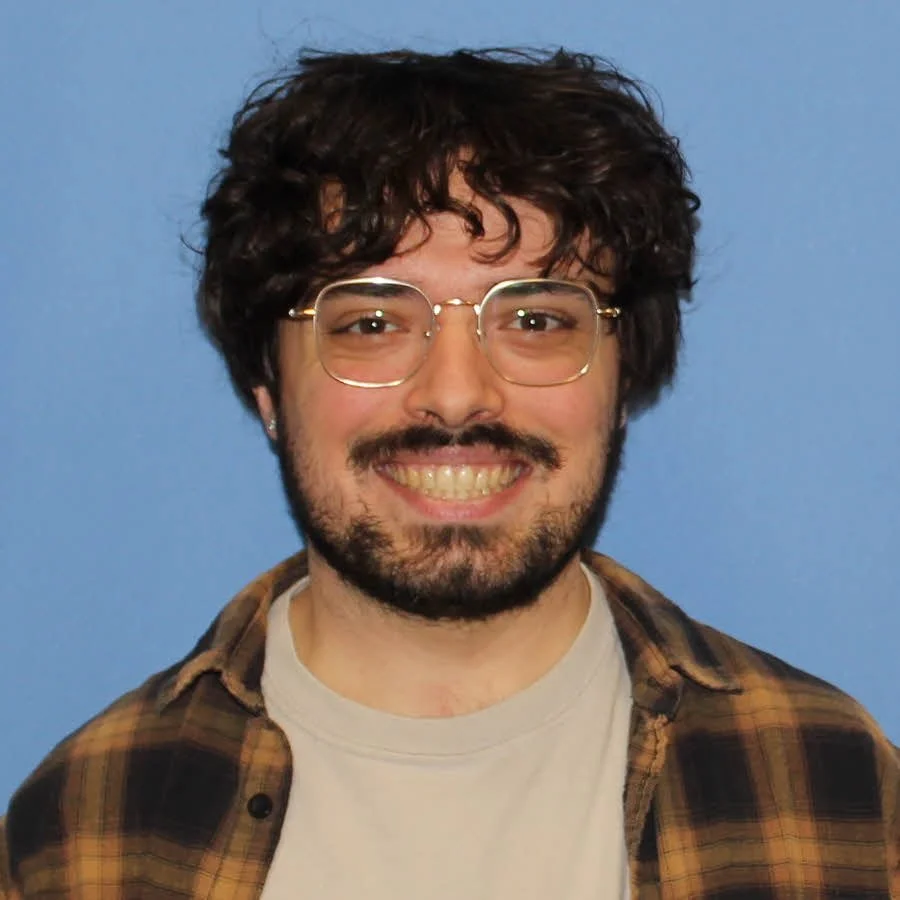
Bradley (José) Barrett (History: University of Illinois Urbana-Champaign)
I received my bachelors degrees in history, philosophy, and general studies at Texas Tech. Ī am currently a PhD student in the history department at the University of Illinois Urbana-Champaign where I focus on cultural diffusion, borderlands, and material culture in the medieval North Atlantic.
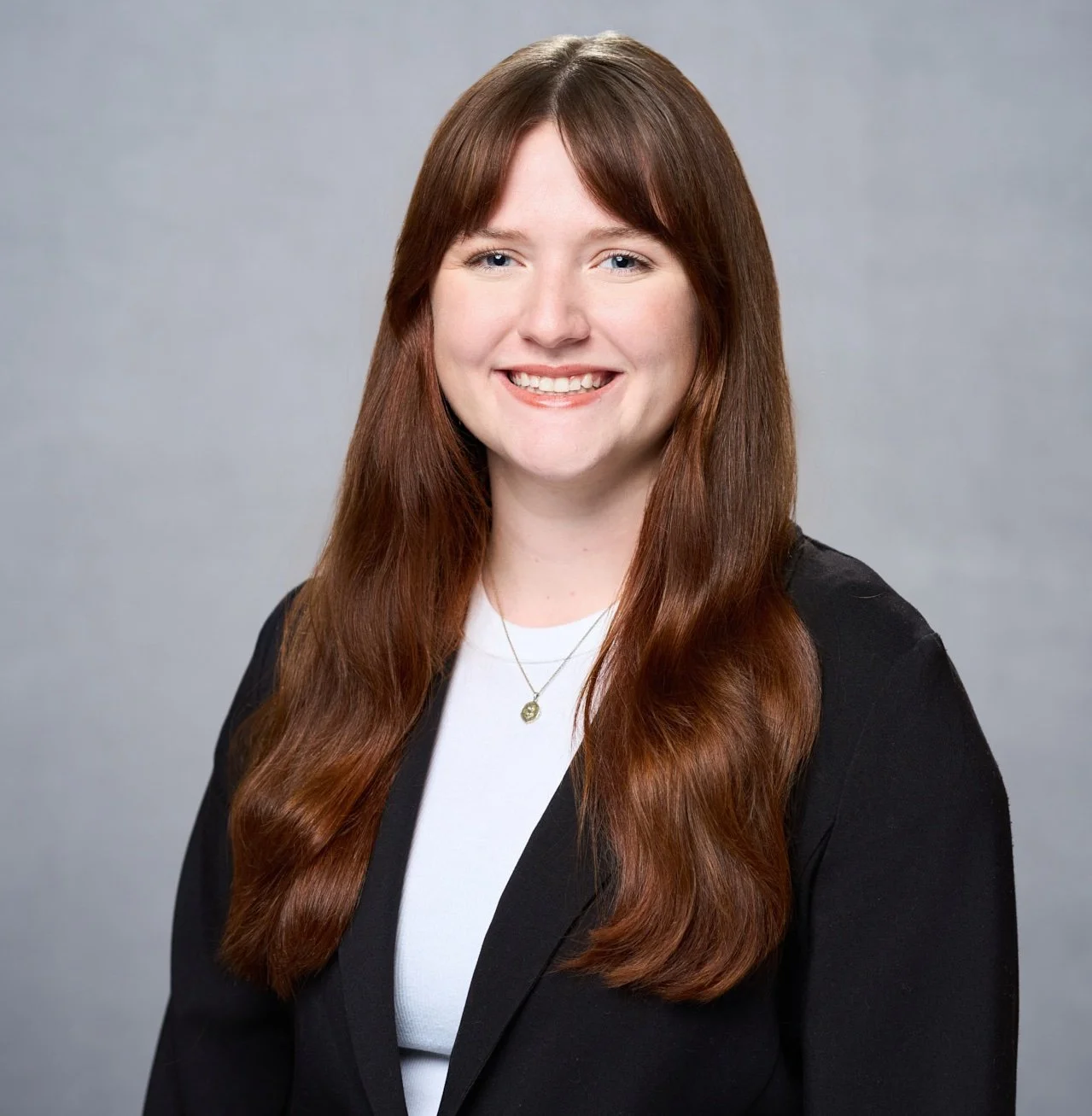
Sophie Davis (History: Washington University)
Sophie Davis is a History Ph.D. student at Washington University in St. Louis. Her research fields include medieval religion, social history, and gender and sexuality. She received a dual honors B.A. in English Literature from Florida State University, with minors in French, History, and Medieval Studies Before accepting a graduation position as an Olin-Chancellor’s Fellow at Washington University, she taught ninth-grade English in the Florida public school system.
Her current research pursures two avenues of inquiry: first, she is analyzing theInquisitorial Proceedings of the Devotees of Saint Guglielma, a collection detailing the views of a thirteenth-century Milanese woman whose movement was eventually suppressed as heresy. She is interested in constructing a social narrative from the depositions, focusing on the roles of gender and medieval Italian urban factionalism in the development of this religious cult. Her second line of research builds off of her undergraduate honors thesis, which was entitledPar ma destre: Oath-making, breaking, subversion, and transgression in Le Roman de Silence.As a Ph.D. student, she is now expanding upon this prior inquiry and working with late medieval literary and legal sources to understand the social obligation of the oath. She intends to push this angle of investigation into the early modern period, and to evaluate how the role of religious fragmentation under Tudor England affected the social interpretations of oath-making.
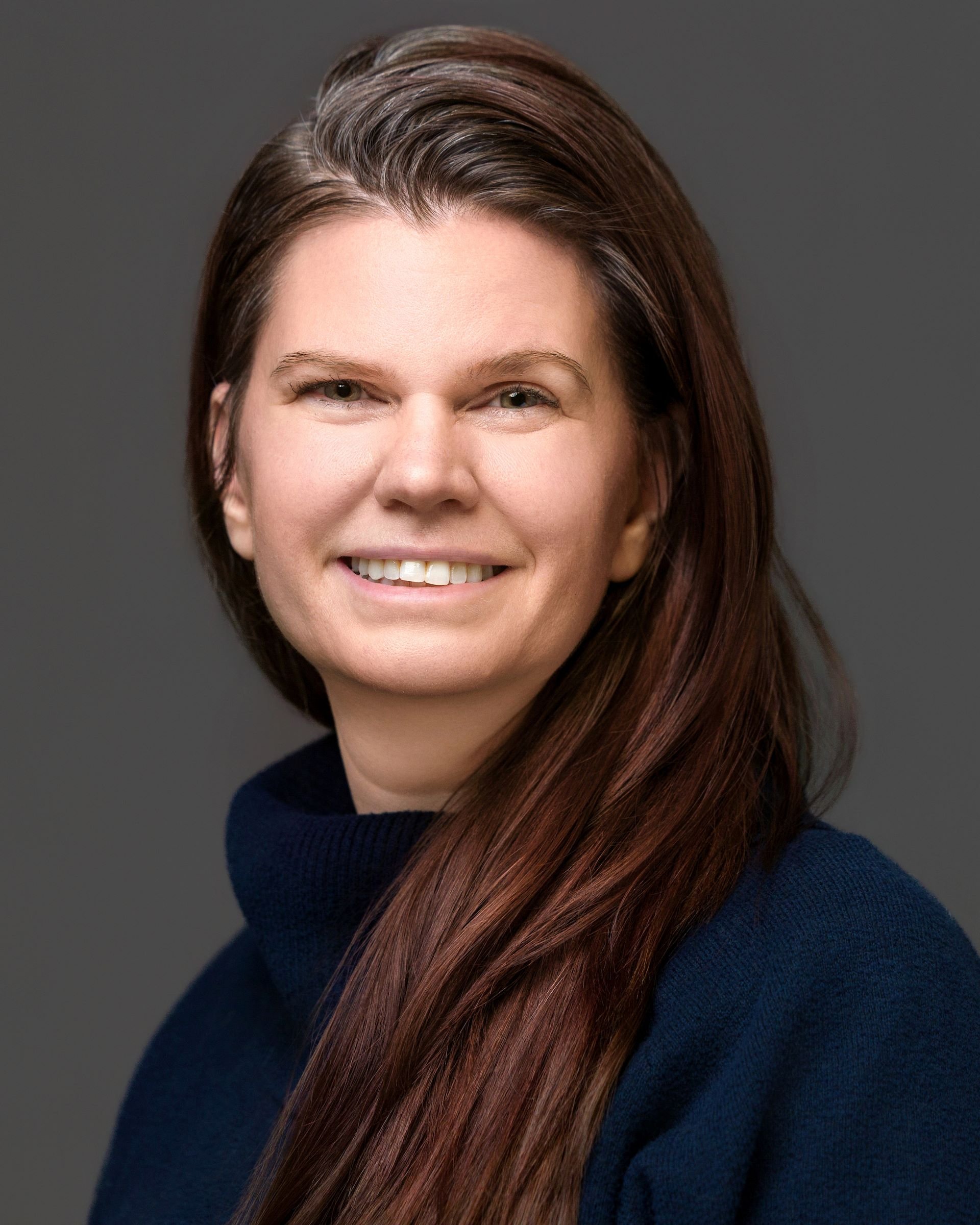
Stephanie Geller (Librarian: Saint Louis University)
Stephanie Geller is the Rare Books Librarian at Saint Louis University. She received her MLIS from the University of California, Los Angeles with a thesis that looked at the comparative adoption rates of paper in Jewish and Christian books in medieval Italy and Iberia. Her M1 mémoire from ENSSIB examined the representation of Jews in early modern English books.
Her research explores the material and social history of textual objects. She is interested in how texts embody and reflect the cultural, social, and economic realities of the individuals and societies that created, acquired, and preserved them. Her work also investigates bibliographic objects as markers of identity in culturally plural contexts, with a particular focus on the medieval and early modern Mediterranean. Additionally, she studies how materiality and form shape the function of textual objects and how these features are employed by individuals and institutions to assert and negotiate identity. In her role as librarian, she collaborates with faculty to integrate rare books and archival materials into teaching, designs educational workshops using collection materials, and facilitates class visits to promote hands-on engagement with primary sources
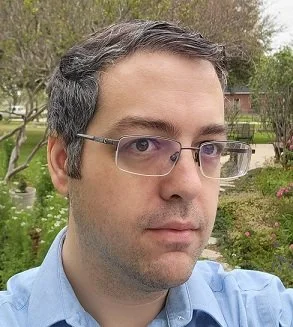
Rodney Mancuso (History: Saint Louis University)
Rodney Mancuso recently completed his first year as a History PhD student at Saint Louis University. He is working with Dr. Douglas Boin on the Medieval history track with a minor in Late Antiquity. Although interested in a broad range of medieval topics, his scholarly work thus far focuses on cultural history of the early sixth century in Italy and southeast France. He is currently working on an article examining the question of why church councils in Orleans (511) and Epaone (517) came to opposite conclusions regarding reuse of formerly Homoean (Arian) places of worship and other material..
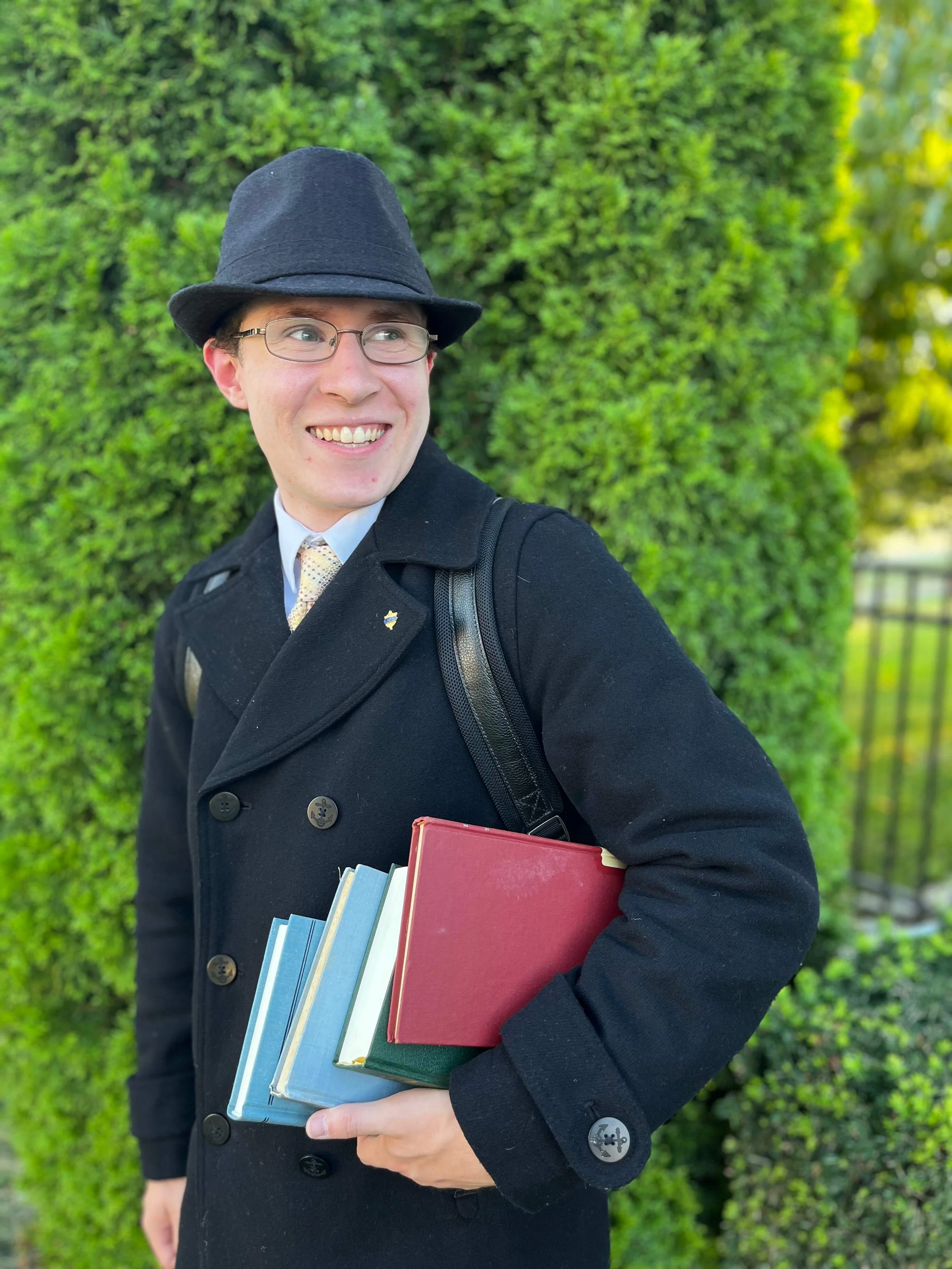
Thomas J. Marko (History: University of Illinois Urbana-Champaign)
My name is T. J. Marko, and I work on the British Isles and their surroundings in the Early Middle Ages. I love to study how different cultural and linguistic groups interacted with each other in the North Sea area between the sixth and eleventh centuries. I received a BA in History from Illinois State University in 2024 My senior thesis there was entitled, “Brothers in Arms: Earl Ælfgar, Gruffudd ap Llywelyn, and the History of Cambro-Mercian Alliance,” and was published in ISU’s undergraduate history journal, Recounting the Past. I am now a first-year PhD student at the University of Illinois at Urbana-Champaign. My current project is an analysis of the eleventh-century Vita Ædwardi Regis focused on its relationship to contemporary texts in Old English.
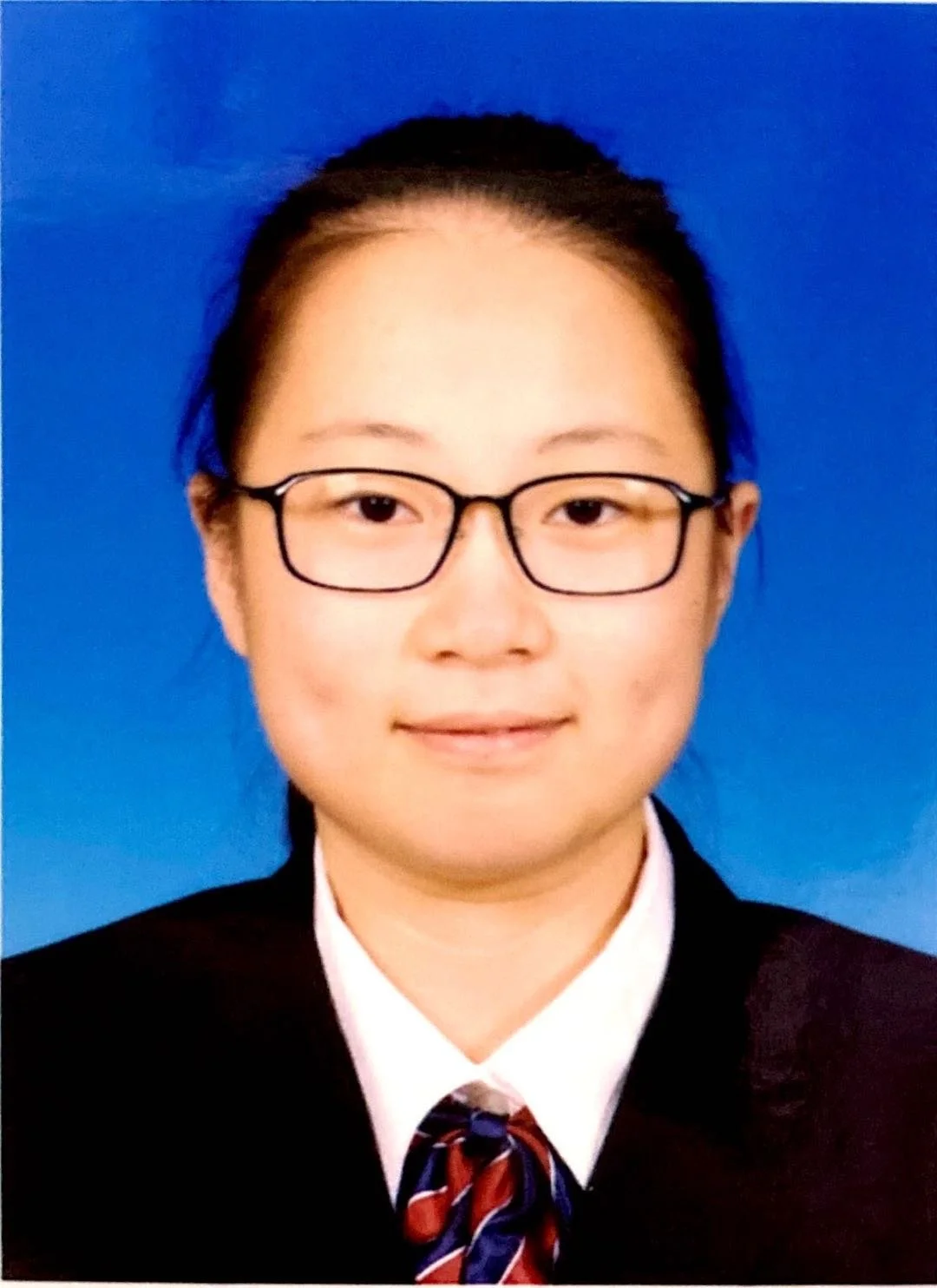
Wendy Wang (Middle East Studies and Classics: University of Southern California)
I am an undergraduate student majoring in Middle East Studies and Classics at the University of Southern California. My research interest is the economic history of medieval northwest Africa and the Iberian Peninsula. I am currently doing preliminary research for my doctoral dissertation, in which I plan to combine sources in Latin, Arabic, and Romance languages to study theories and practices of gambling and broader notions of luck, risk, and insurance as well as practices of risk-taking and risk management in the medieval Mediterranean.
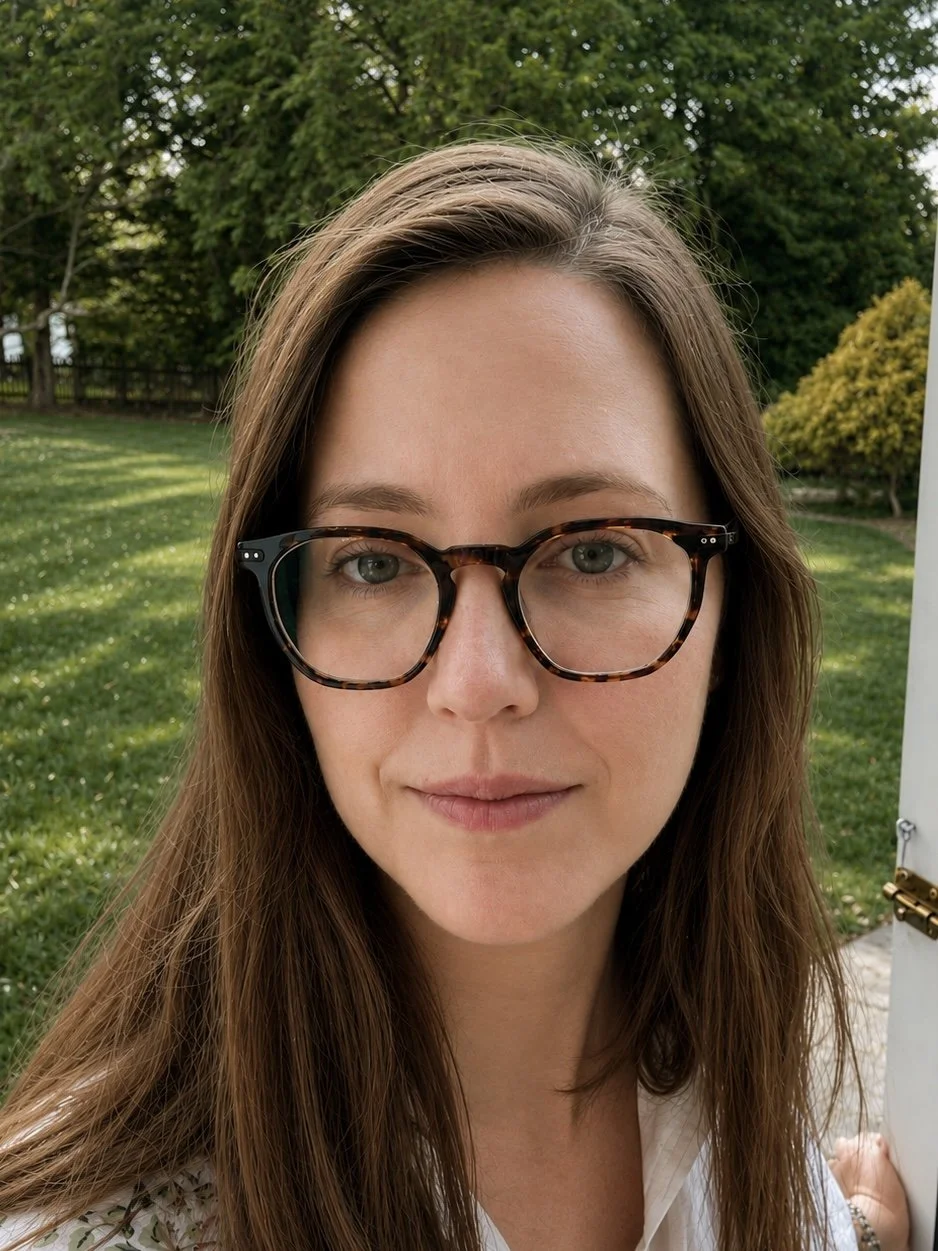
Rachel Welsh (Independent Scholar)
I am an independent scholar currently working on a monograph on women and the ordeal in medieval Iberia. I earned a B.A. in History from Hamilton College in 2009, a M.S.Ed. in Intercultural Communication/TESOL from the University of Pennsylvania’s Graduate School of Education in 2011, an M.A. in Medieval History from Fordham University in 2013, and a Ph.D. in History from New York University in 2024. My research focuses on the intersection between law and the body in medieval Iberia, especially the development of towns on the Castilian frontier and the role of ordeal in creating and maintaining women’s social networks. More broadly, I’m interested in medieval uses of the exterior body to demonstrate interior truth or legal proof.