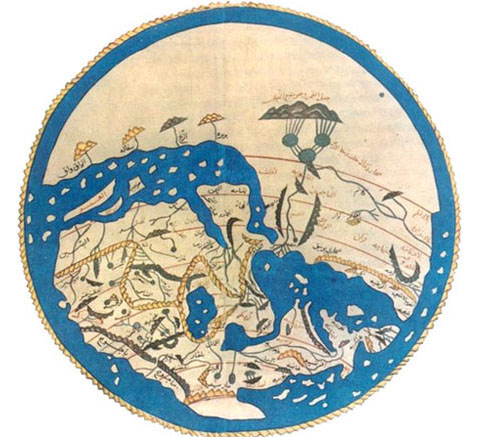
“Reading Armenian Manuscripts”
Mediterranean Studies Summer Skills Seminar
29 June — 2 July 2026 • Remote
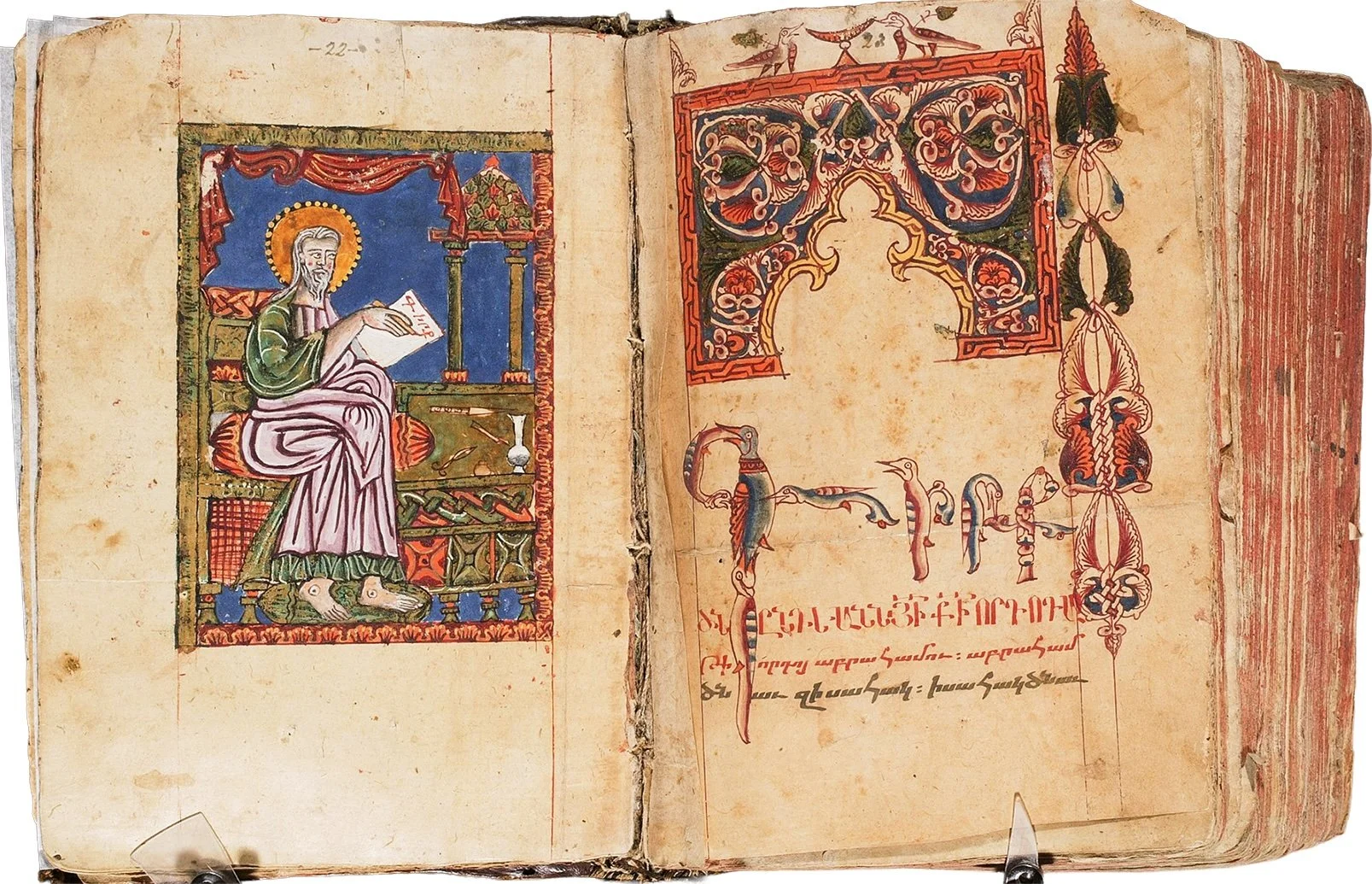
The Summer Skills Seminar, “Reading Armenian Manuscripts” will be held via Zoom from Monday, 29 June to Thursday 2 July from 10am to noon and 1pm to 3pm MDT.
Course overview
From the fifth century CE onward, Armenian writing has spanned an incredible geographic and cultural scope. This intensive and introductory course guides participants to decipher medieval and early modern Armenian manuscripts, running a textual gamut from the work of professional scribes at the Cilician chancellery to the marginal notes of monastic readers, hard pressed for candles (and eyesight). Through a combination of small-pair and group work, participants will acquire the paleographic skills to accurately read and describe handwritten texts in the Armenian script -- a massive corpus that includes works not only in Classical, Middle, dialectal, and modern Armenian, but other languages as well, such as Turkish (Armeno-Turkish) and Persian (Armeno-Persian).
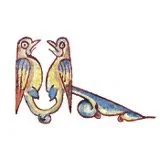
We will focus on the primary Armenian scripts, taking some minor detours through the riches of epigraphy, zoomorphic writing, early printing, and modern handwriting along the way. Short lectures will add cultural and historical context, introducing common features in manuscript culture such as colophons, pictographic abbreviations, and the Armenian calendrical system, alongside lesser-known scribal practices.
This seminar is held on Zoom over four days, with two two-hour sessions per day, and is open to undergraduate and graduate students, postdoctoral fellows, professors, librarians, and learners at any stage of life. Basic reading knowledge of Armenian (Classical or modern) is required; course texts may be modified based on student request and interest. Students will also gain familiarity with important reference works on Armenian language, paleography, manuscript culture, literature, and other subjects, as well as experience finding and reading digitized Armenian manuscripts online.
Finally, participants will receive a certificate which may be listed on a CV and other documents, such as grant applications, upon completion of the course.
Participants said:
I took the course to deepen my knowledge of Armenian writing history, paleography, and epigraphy. My goal was to improve my skills in reading various scripts and understanding different writing traditions, while also exploring Armenian spatial concepts and their links to Greek culture. I also wanted to connect more with the American academic community focused on Armenian studies, learn about publishing options for my research, and develop a professional relationship with the instructor, whose expertise in medieval Armenian written culture made this course particularly meaningful.
I feel much more confident about working with manuscripts and have been provided a variety of excellent online resources for finding them which I have already begun using to expand my research.
Given the course's short duration, I was impressed by how much material was covered. The program was intensive and very well organized, and the instructor provided as comprehensive an introduction to the topics as could reasonably be expected within such a limited timeframe. I especially appreciated the balance between breadth and depth, as well as the instructor’s ability to present complex material in a clear and engaging way.
My overall rating for the course is 5/5 stars. I never once regretted my decision to participate—in fact, it exceeded my expectations. The course was incredibly valuable for my research and professional development. Opportunities to receive hands-on training in medieval Armenian paleography are quite rare, which made this experience especially meaningful. Huge thanks for offering such an excellent course!
Michael was an encouraging and knowledgeable teacher, whose course structure was intuitive and extremely well-planned. Each section flowed into the next one well and gave a great summary of materials that are available and what scripts exist, as well as providing necessary context for an understanding of Armenian history. At one point when I suffered technical difficulties and missed some of a lesson, Michael offered to stay afterwards to go through what I had missed, which was extremely appreciated!
The instructor was exceptionally attentive, approachable, and supportive of every participant. He made sure everyone had the opportunity to practice reading and translating texts in different Armenian scripts, creating an inclusive and encouraging learning environment. His answers to our questions were always thorough and insightful, and he responded to emails promptly, kindly, and with genuine openness.
I have nothing but positive impressions of both the instructor and the course as a whole.
Michael is an amazing instructor. He has always been patient and answered all of our questions.
About the instructor
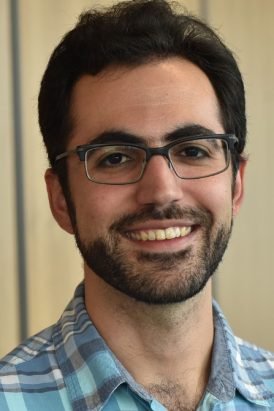
My name is Michael Bedrosian Pifer, and I am Marie Manoogian Associate Professor of Armenian Language and Literature at the University of Michigan. My research seeks to situate medieval Armenian language and literary history within broader contexts of multilingualism and cultural exchange. I am the author of Kindred Voices: A Literary History of Medieval Anatolia (Yale University Press, 2021) and the co-editor of the volume An Armenian Mediterranean: Words and Worlds in Motion (Palgrave Macmillan, 2018). I have previously taught courses in Classical Armenian at the Hill Museum and Manuscript Library, Fresno State, and the University of Michigan. You may reach me outside of class at mpifer@umich.edu.
Most importantly, if I can aid you in your study of Armenian materials, or direct you to additional materials, please feel free to make an appointment and consult with me! I am very interested in facilitating the study of Armenian subjects, especially for students who may not have access to materials or mentorship in the field directly at their home institutions. Please also stay in touch after the end of the course, if I can ever be of use.
Participants
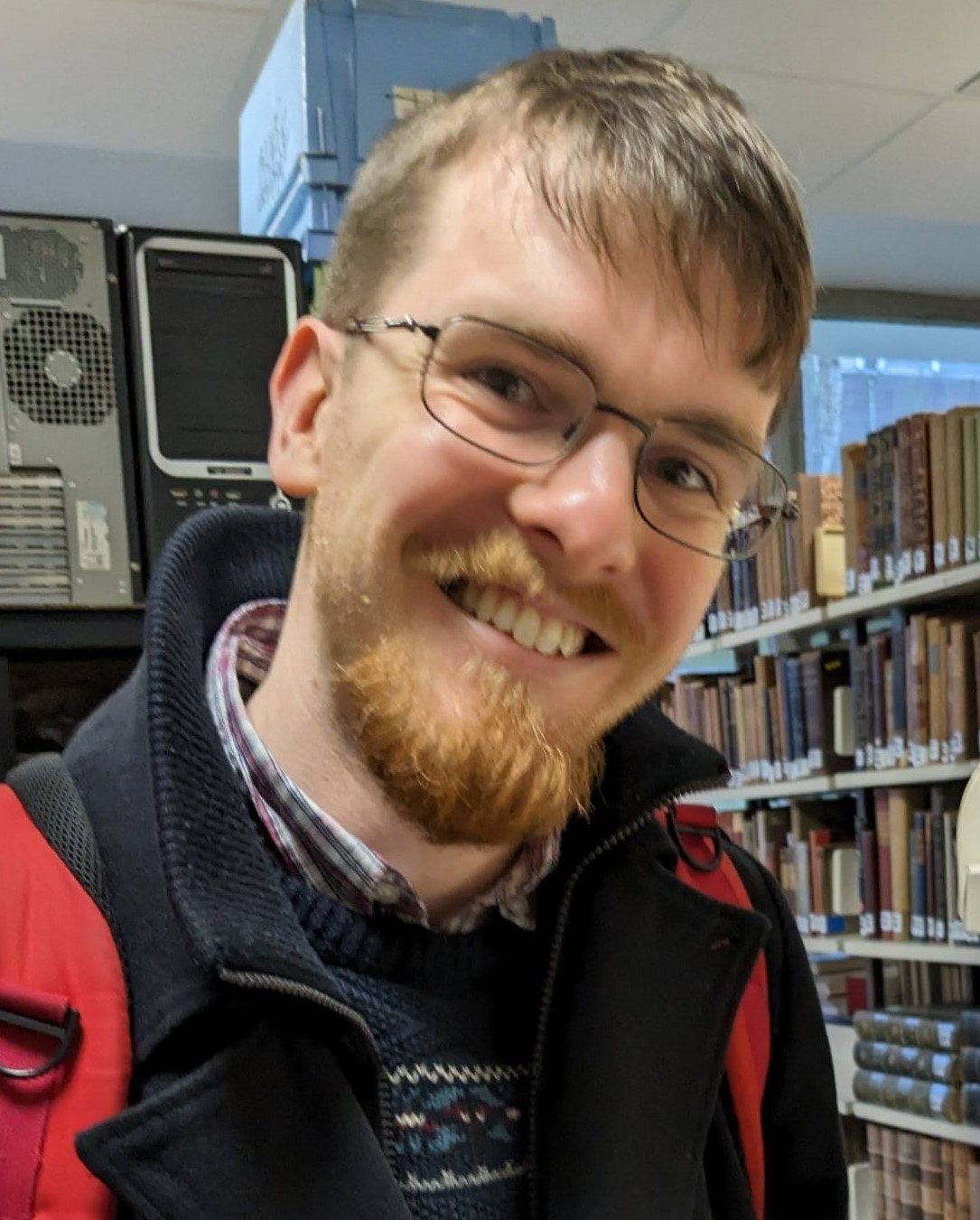
Daniel Alford (DoSSE Project": University of Leicester)
I am a postdoctoral researcher working at the DoSSE Project at the University of Leicester, where my research focuses on the position of slaves in the Sasanian Persian Empire, with a particular emphasis on Sasanian and Armenian Christian communities as part of a broader project engaging with the sexual exploitation of slaves in the Roman and Sasanian world. I am particularly interested in how the complex laws surrounding property and sexuality in Sasanian Zoroastrianism impacted both the position of slaves in Iranian society and the practices of both minority communities within the empire (including the Armenians) and neighbouring societies (most notably the Romans).
Prior to this project, I was a postdoctoral researcher for the Ex-Patria project at the University of Lille, where I collaborated in a prosopographical database providing biographies of border crossers between the Roman and Sasanian Empires. I have a DPhil in History from Corpus Christi College, University of Oxford, where my dissertation focused on the family as an institution in late antique Armenia and Sasanian and Roman influences on Armenian family practices.
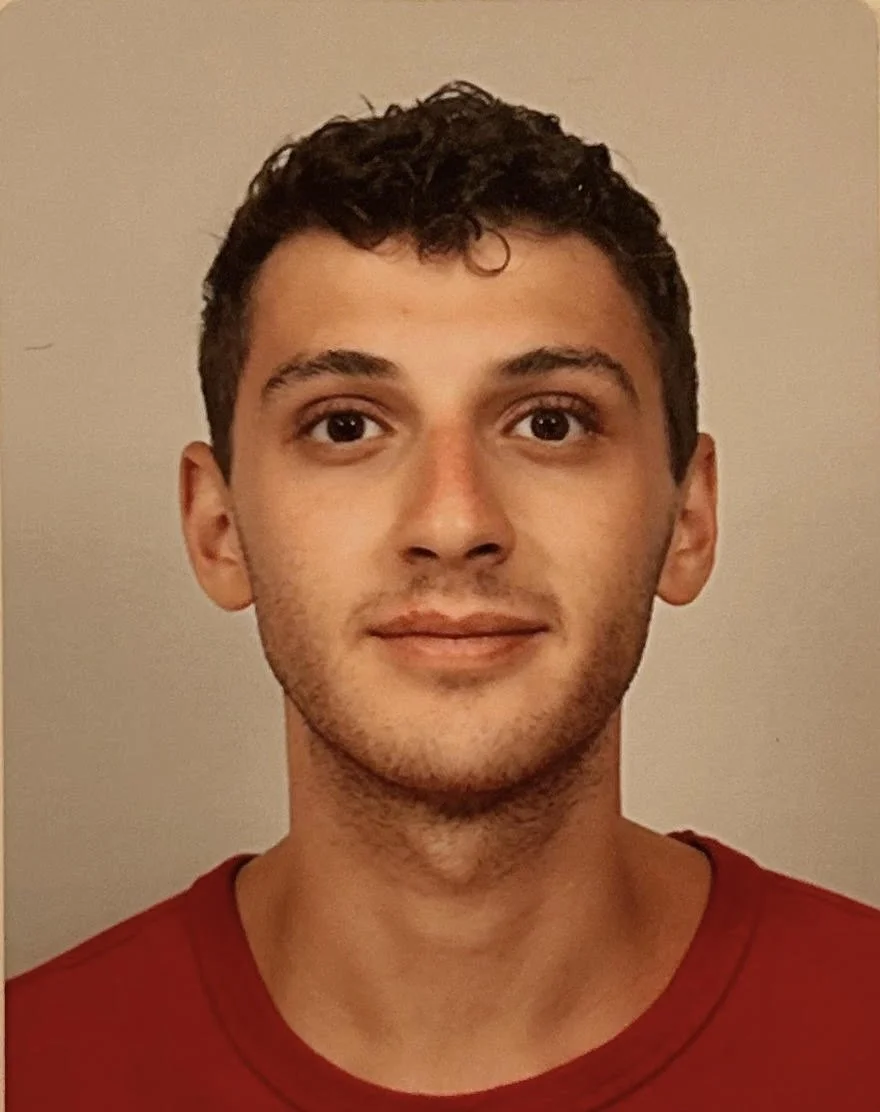
Nerses Hovsepyan (Historical Studies: University of Amsterdam)
Nerses Hovsepyan (1999) holds a Bachelor’s degree with honours in Arabic Studies from Yerevan State University and a research Master’s degree in Religious Studies from Utrecht University. He is currently affiliated with the University of Amsterdam (UvA) as a PhD candidate. His doctoral research explores late-medieval Armenian identity formation in relation to Islam. The project forms part of the wider research initiative Intercultural Contact and Identity Formation in Premodern Frontier Zones.
Nerses is also involved with The European Correspondent as the media platform’s principal correspondent for Armenia, Azerbaijan and the North Caucasus.

Anastasiia Liakhovich (History: University of Warsaw)
Anastasiia Liakhovich is a PhD Candidate at the Faculty of History, University of Warsaw. Her research focuses on Middle Byzantine and Medieval Armenian Christian literature and culture, with particular emphasis on hagiography, the cult of saints, relic traditions, sacred and liminal spaces. Her doctoral project examines Byzantine and Armenian hagiographical literature of the seventh to tenth centuries, exploring how narratives of saints’ journeys, exile, captivity, monastic mobility, and the translation of relics functioned as responses to political and ecclesiastical crises. By analyzing representations of movement in the context of Iconoclasm, Arab rule, frontier warfare, and confessional tensions, she investigates how hagiographical texts constructed sacred geography and articulated claims to religious authority and Christian identity.
A particular focus of her research is the study of Armenian manuscripts transmitting hagiographical traditions of saints’ lives and martyrdom accounts. She is interested in how these texts represent the sacred spaces surrounding mobile saints and how movement through wilderness, mountains, roads, rivers and seas, cities, monasteries, and holy sites contributes to the creation of sanctity and sacred landscapes. Her broader research interests include comparative Byzantine and Armenian studies, pilgrimage and travel narratives, ekphrasis and descriptions of sacred architecture, the literary representation of holy places, aquatic frontier, river and sea crossings in hagiography. Through an interdisciplinary approach combining literary analysis and historical inquiry, she seeks to understand how medieval Christian communities used narrative to interpret historical change and imagine sacred space.