“Sephardic Culture: An Introduction”
Mediterranean Studies Summer Skills Seminar
6—9 July 2026 • Remote
The Summer Skills Seminar, “Sephardic Culture: An Introduction” will convene via Zoom from Monday, 7 July to Thursday, 10 July 2025 each day for 2 hours (8-10 PST), break for 1 hour (10-11 PST), and reconvene for 2 hours (11-1 PST).
Course overview
This Summer Skills Seminar provides participants with the an overview of main currents in Sephardic Studies including historial and cultural trends, texts, sources for the period 900-1700 CE, and attending to the potential of this field to enhance your own research and teaching. It is designed with academics in mind, particularly graduate students, postdocs, and professors working in disciplines such as history, literature, religious studies, but all intersted parties are welcome to apply. Participants will receive a completion certificate which may be listed on your CV and other documents such as grant/fellowship applications. The seminar is held via zoom over four days, with two two-hour sessions each day. Particpants are expected to prepare readings in advance of the sessions, which will be a blend of lecture, pair and group discussion, group close readings, and in-class activities.
The Jewish Communities of the Iberian Peninsula left behind a rich legacy in historical documentation and writings in the area of rabbinics, polemic, poetry, historiography, travel narrative, mysticism, philosophy, and more. Their expulsion from Spanish territories at the end of the fifteenth century lead to a diasporic network of communities in the Mediterranean, Western Europe, and beyond (The Americas, Africa, Asia).
This four-day intensive skills seminar will provide participants with a broad overview of main historical and cultural trends of Premodern Sephardic Studies paired with close readings of representative texts in English (versions in original languages and/or Spanish will be also made avaialable). The seminar is organized both chronologically and generically: we will trace the development of poetry, prose, historiography, and mysticism from Sephardic al-Andalus (900-1200), to Sephardic Christian Iberia (1200-1500), to the Sephardic Diaspora (1500-1700).
The goal is to provides attendees with a basic preparation for including Sephardic sources in teaching and research and provide them with a bona fide (in the form of a certificate of completion for those who attend the full seminar), which may be advantageous in securing grants or other funding for research and travel. Preparation in Sephardic studies can be a way for scholars working in Hispanic, Mediterranean, or Jewish studies (or other fields) to distinguish their research and/or teaching profiles, and put them in discussion with new interlocutors.
This Summer Skills Seminar builds on the experience of earlier editions, which participants signaled as “transformative” in terms of their research, and which provided them with an opportunity to network and lay the foundations for future collaborations. For information and participant reviews of our former Skills Seminars (Ladino/Judezmo & Aljamiado) see here.
Participants said:
Dr. Wacks provided us with in depth materials and an excellent post seminar bibliography to keep learning.
This course exceeded my expectations. We covered a lot of ground, and Prof Wacks made the material accessible and approachable. I greatly appreciate his ability and willingness to engage and navigate questions with us.
I really enjoyed the seminar! The instructor was aware that we couldn't get through all of the readings and he walked us through in a very knowledgeable and pedagogically informed way. I enjoyed it!
Instruction is incredible. Prof Wacks is very aware that the four-day course takes place during summer and that the participants come from all over… Beginning with social and cultural background information, Prof Wacks situates the literature and peoples that are of topic each day before moving into the literature itself. It is a wonderful structure to ensure that everyone is on the same page despite location, time zone, preparedness, and varying summer schedules.
Prof. Wacks was amazing; he is very knowledgable and fun, and I was amazed by the sheer amount of his vast knowledge. He was also very keen on hearing about out interests/questions/remarks and sent us daily emails with articles/sources that were of tremendous help and interest.
Yes, without a doubt. Prof Wacks is a gem and his teaching style is approachable, productive, and intellectually stimulating.
I very much enjoyed this course! It was great being around such an interesting range of experience/expertise. I also appreciate Dr. Wacks's willingness to deviate from the original agenda in order to address questions or other topics of discussion that had come up. It made class feel much more lively and like a natural, in-person "discussion" amongst a group of people.
Faculty

The course will be conducted by Prof. David A. Wacks (Romance Languages, University of Oregon; PhD UC Berkeley 2003), Harry Starr Fellow in Jewish Studies (Harvard, 2006), and recipient of the 2015 National Jewish Book Award in the category of Sephardic Culture. His research focuses on the literary footprint of the confluence of Judaism, Christianity, and Islam in the Iberian Peninsula and Sephardic Diaspora. He blogs on his current research at davidwacks.uoregon.edu.
Participants
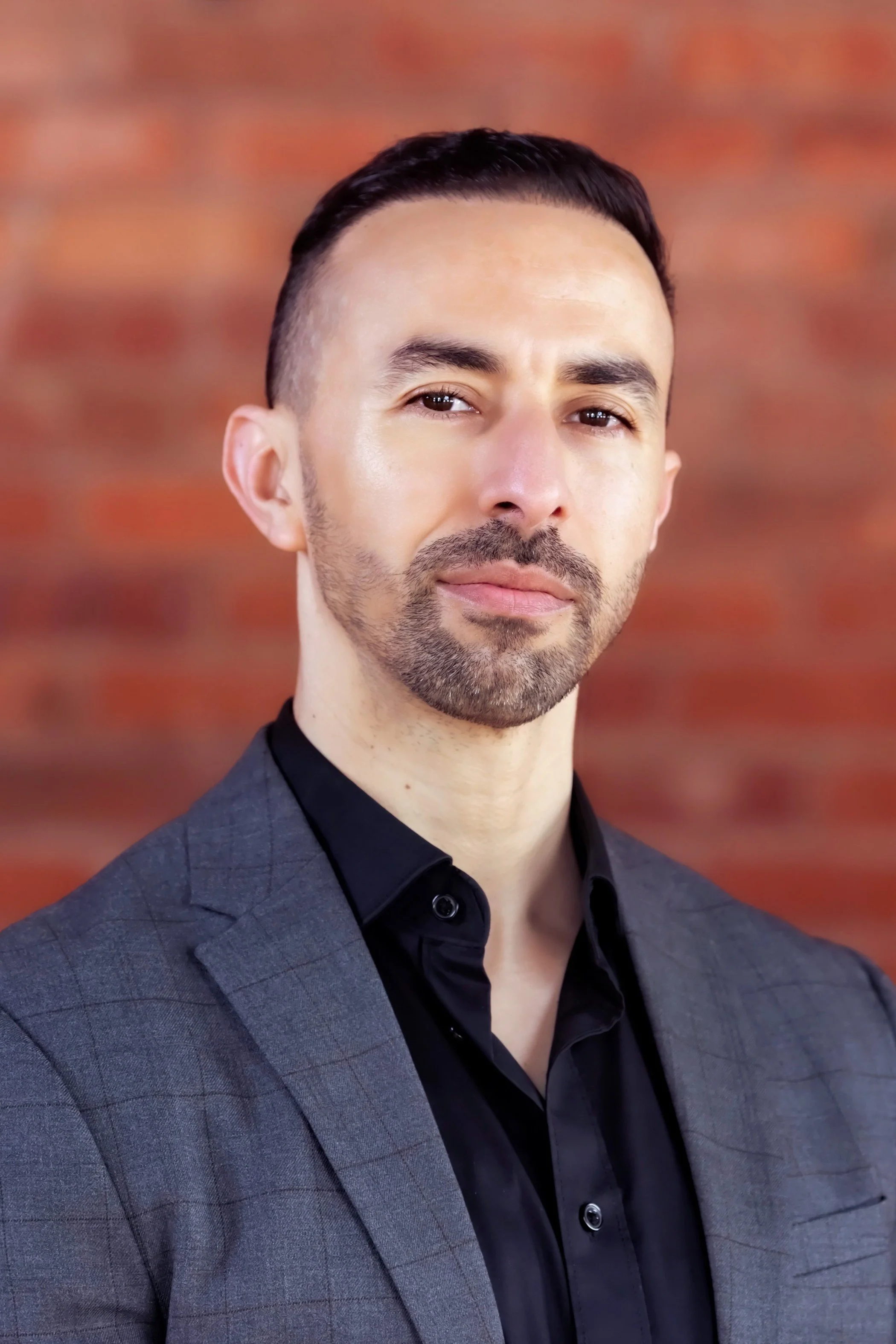
Omar Badessi (Hispanic Studies: Vassar College)
Dr. Omar Badessi is a Visiting Assistant Professor in the Department of Hispanic Studies at Vassar College. He received his PhD in Hispanic Languages and Literature from Stony Brook University. His research focused on Hispano-Moroccan relations, colonial discourse, and representations of North Africa in Spanish cultural production. His work lies at the intersection of colonial studies, Mediterranean studies, Jewish studies, race and indigeneity, with particular attention to the medical and humanitarian rhetoric of Spanish colonialism in Morocco. His scholarship examines how colonial medical discourse portrayed Moroccans and North Africans as “degenerate” yet “curable,” positioning physicians, nurses, and educational missions as agents of imperial expansion and moral regeneration. He also explore the strategic construction of the “indigenous” in both the Spanish and French Protectorates in Morocco, as well as the representation of Sephardic Jewish women in colonial narratives from northern Morocco. Through multilingual archival research, Dr. Badessi investigates how colonial ideologies continue to shape contemporary understandings of identity, race, migration, and minority communities, particularly among Amazigh populations in North Africa.
Dr. Badessi’s work has been presented at several international conferences, including the American Comparative Literature Association (ACLA), the Kentucky Foreign Language Conference (KFLC), the Jewish Studies Association Annual Conference, and the King Juan Carlos I of Spain Center at New York University symposium Contesting Indigeneity, Connecting Peoples: The Doing and Undoing of Domination across the Spanish Empire (2026). His current projects include the archival research at the Archives du Maroc in Rabat and the Archivo General de Tetuan, Morocco.
In Winter 2026, Dr. Badessi will present his paper, “The Uses of Sephardic Affinity: Women, Medicine, and the Pragmatics of Spanish Colonialism in Morocco,” at the 58th Annual Jewish Studies Conference. The paper reexamines the writings of Spanish colonial physicians in relation to the rise of philosephardism and Spain’s colonial competition with France in North Africa.
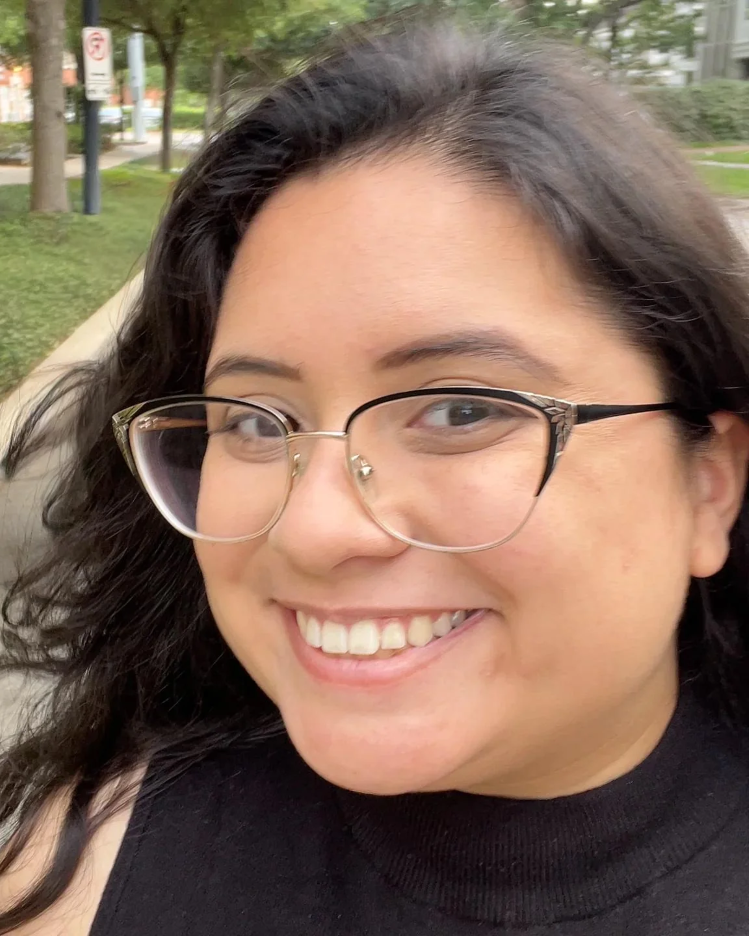
Liliana López (History: Rice University)
Liliana Lopez is a doctoral student in the History Department at Rice University, where she studies the intellectual and cultural history of medieval Iberia. Her work focuses on how medieval Castilians shaped their culture not only through visual and textual adaptation, but also through resistance and rejection. Her article on contemporary Spanish festive traditions is forthcoming in The Historian. Alongside her research, Liliana is currently working as a curatorial assistant for an exhibit on Latinx history at Rice University, to be displayed at the Houston Public Library.

Lisbeth Louwrier (Independent)
I obtained my MA in Medieval History from SUNY Binghamton in 1994. I studied under Noam Stillman and focused on Medieval Spain and Sephardic Culture. I was particularly interested in Sephardic Culture and transmission of ideas between Jewish and non-Jewish groups living in Spain in the Middle Ages.
I worked in Publishing after graduate school and took a career break to care for my children and aging parents.
I re-entered the workplace when I started a Biotech Business with my husband in 2008 on Vancouver Island.
In the last six years, I returned to my studies mostly focusing on Jewish History and Culture. I study Hebrew weekly, attend lectures through the Jewish Theological Seminary and attend a regular Torah study through my synagogue.
I am currently involved in a two-year program with the Jewish Theological Seminary called “Context” and have completed a semester in Rabbinic History and studies. I would like to attend this seminar and conference to learn what is currently being studied and presented in Sephardic History, with a view to deciding whether I would like to return to Graduate School in the next year.
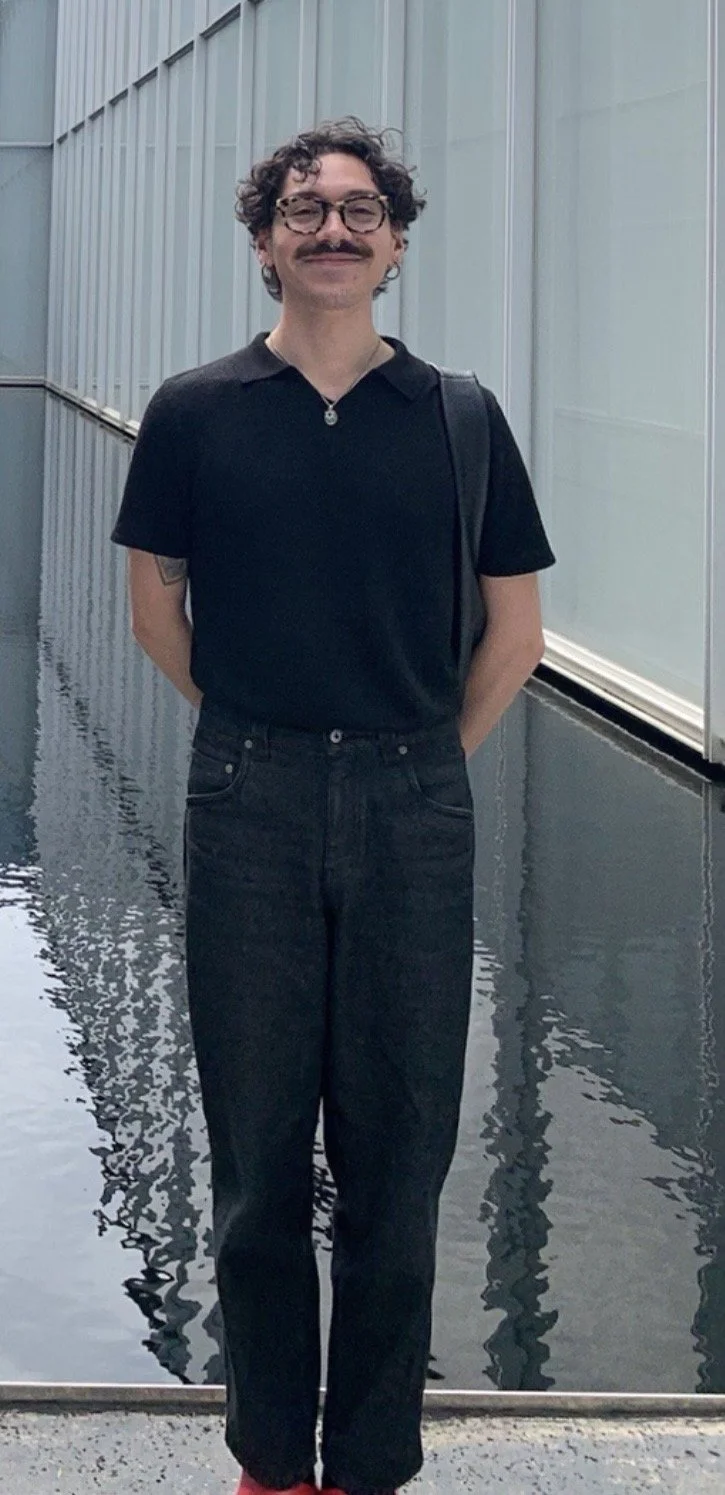
Matthew Melgoza (Romance Studies: Duke University)
My name is Matthew Melgoza, and I am a second-year doctoral student in the Department of Romance Studies at Duke University. I specialise in premodern literature and cultural history in French, Spanish, English and Latin, and have recently added Catalan and Occitan. I received a BA in English Literature and French, with two minors in Spanish and Russian Studies, as well as two certificates in Professional French and Medieval and Renaissance Studies. I also hold an MA in French, all from the University of North Texas.
My work in the premodern focuses on gender, sexuality, and disability and the ways in which the former linguistic traditions use language to write about and play with natura and contra naturam. I mostly look at early fiction, but I also work with hagiography, poetry, letters, political treatises, and law. I find the interplay between early literature and contemporary thought to be extremely productive for thinking through the various ways in which early cultures were thinking about engendered and sexed bodies, as well as illness and infirmities. Additionally, I think with psychoanalysis in relation to the premodern and literary narratives
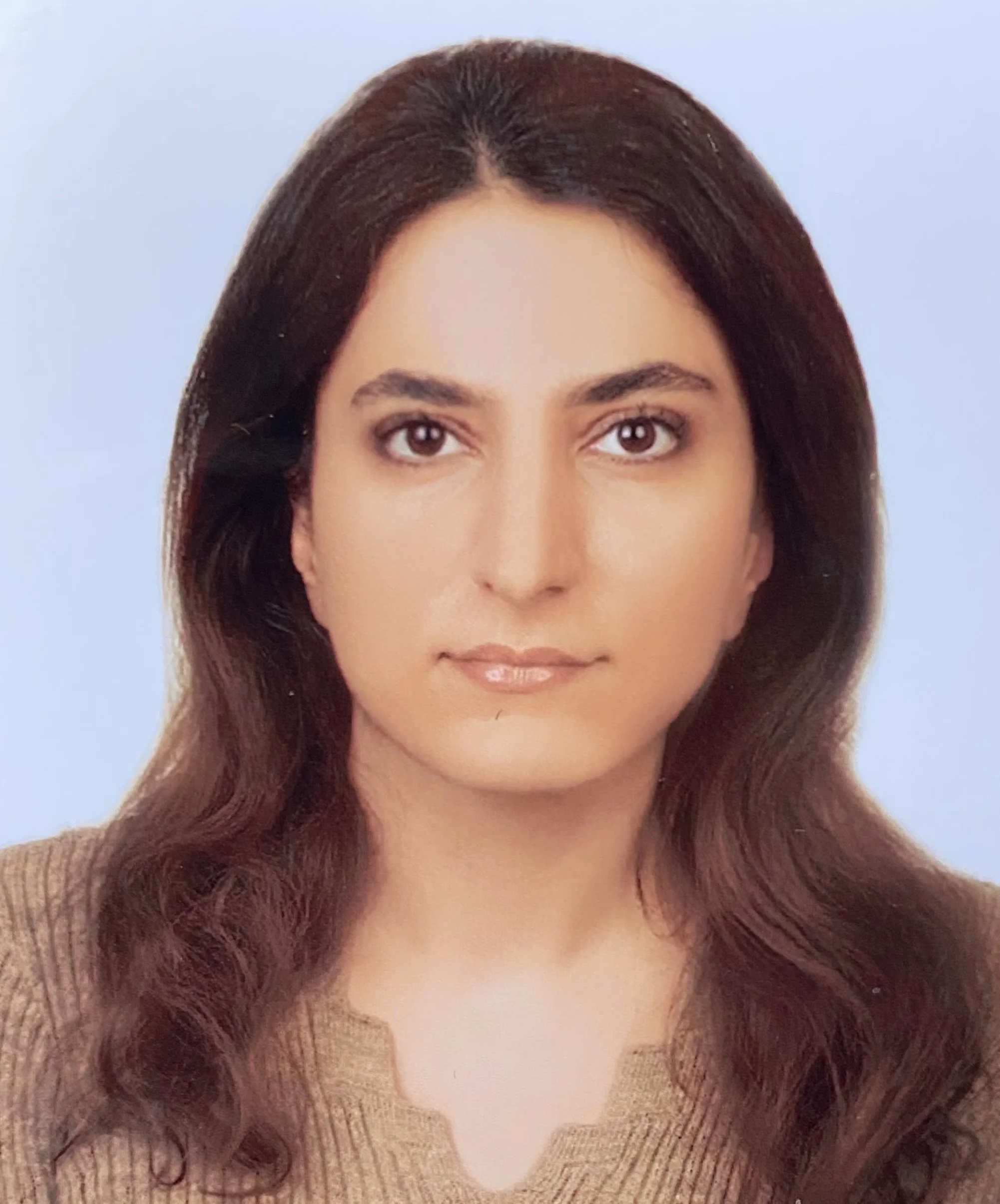
Zeynep Ozgul (Comparative and World Literature: University of Illinois Urbana-Champaign)
Zeynep Ozgul is a third-year PhD student in Comparative and World Literature at the University of Illinois Urbana-Champaign. Originally from Turkey, her tentative dissertation project focuses on diasporic memory and identity formation in Ottoman and Turkish Jewish literary production, focusing on representations of Spain and al-Andalus. She works with texts written in Turkish, English, Spanish, French, and Ladino, and has plans to learn Hebrew in the upcoming year.
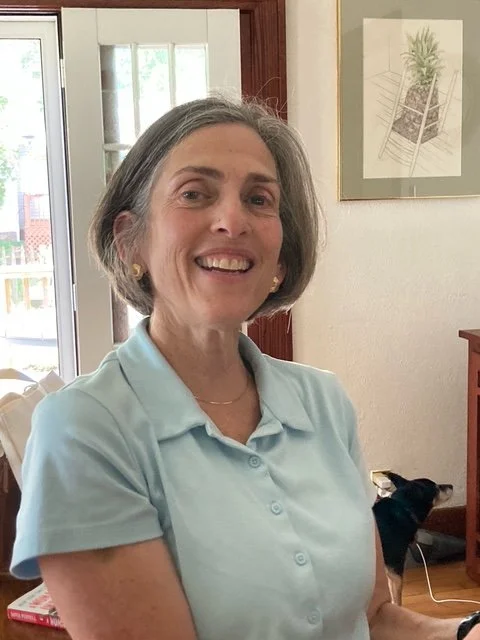
Dana Rabin (Jewish Culture and Society: University of Illinois Urbana-Champaign)
Dana Rabin is an eighteenth century historian of Britain and empire. Trained as a legal historian at the University of Michigan, her first book, Identity, Crime, and Legal Responsibility in Eighteenth-Century England published by Palgrave Macmillan in 2004, examined ideas about moral responsibility in England’s courtrooms. Britain and its Internal Others, 1750-1800: Under Rule of Law, published by Manchester University Press in 2017, is a series of case studies that center those perceived as “other” in Britain’s metropole and their claims for equality before the law. Her current project centers the Jews of Britain’s Caribbean colonies. Rabin teaches at the University of Illinois, Urbana-Champaign. She chaired the Department of History from 2019-2024. In August she will begin a term as Director of the Program for Jewish Culture and Society.